Going to need extra chairs

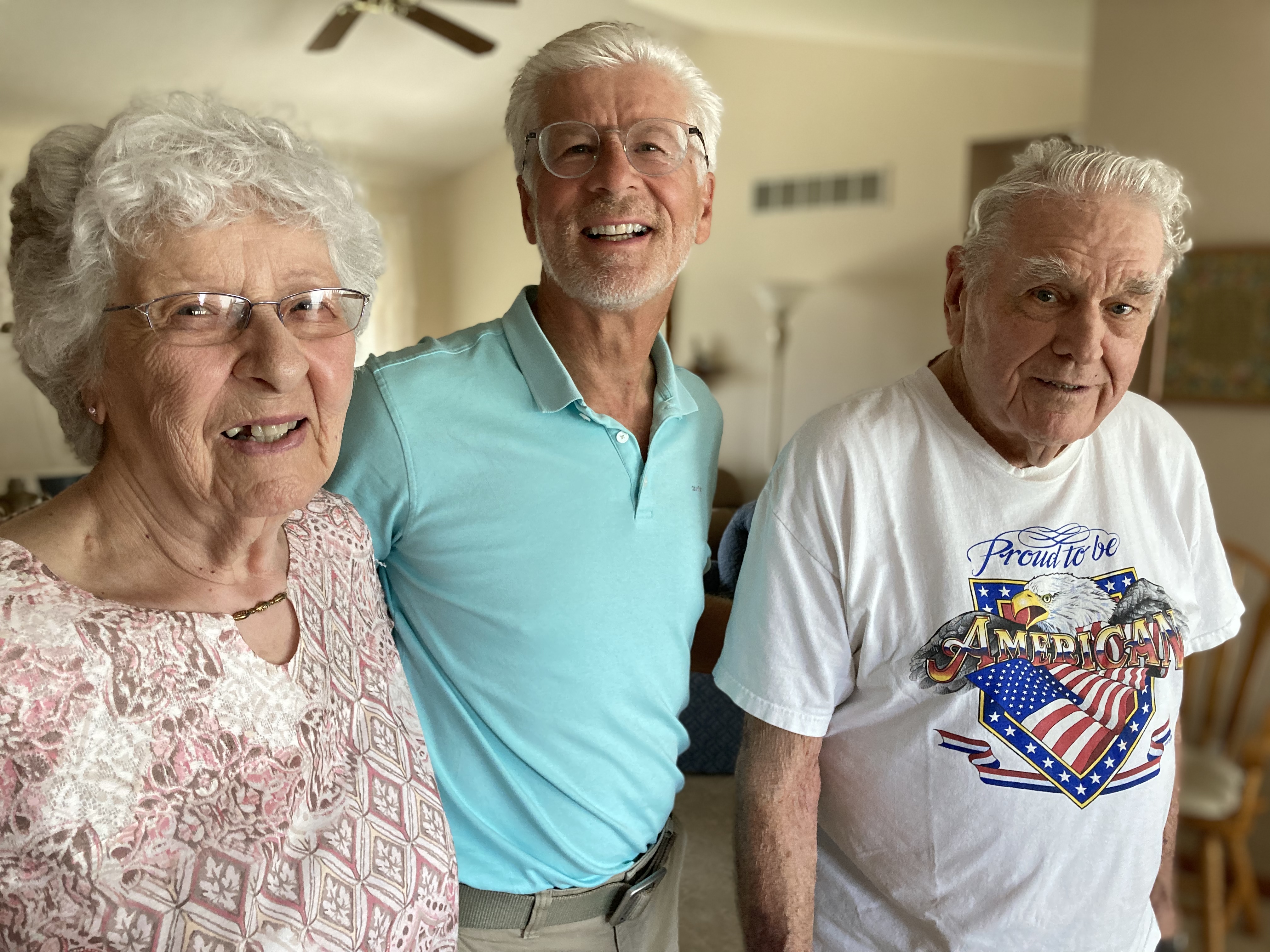
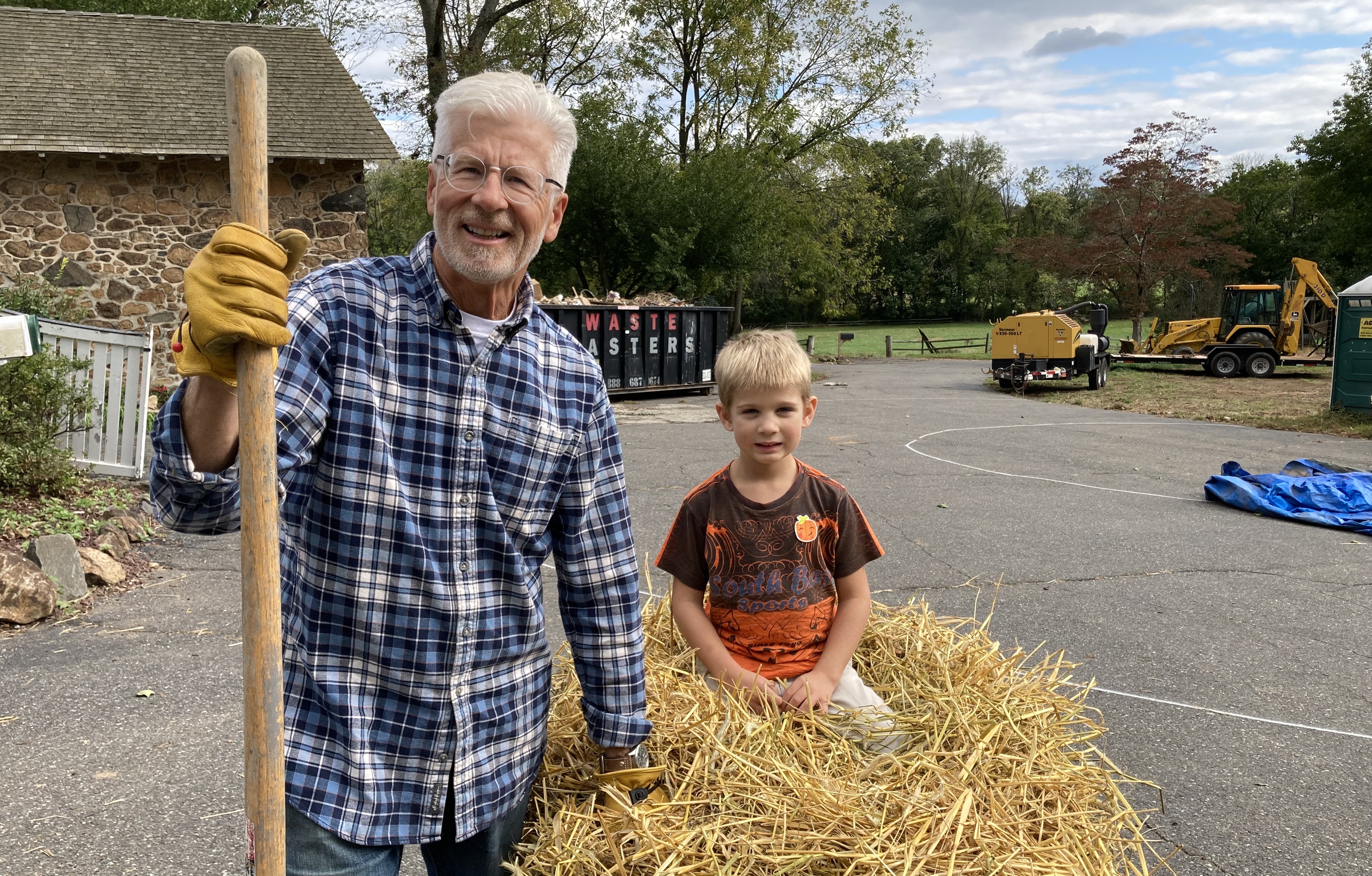
Me in the middle, with Janet and Bill in 2021.

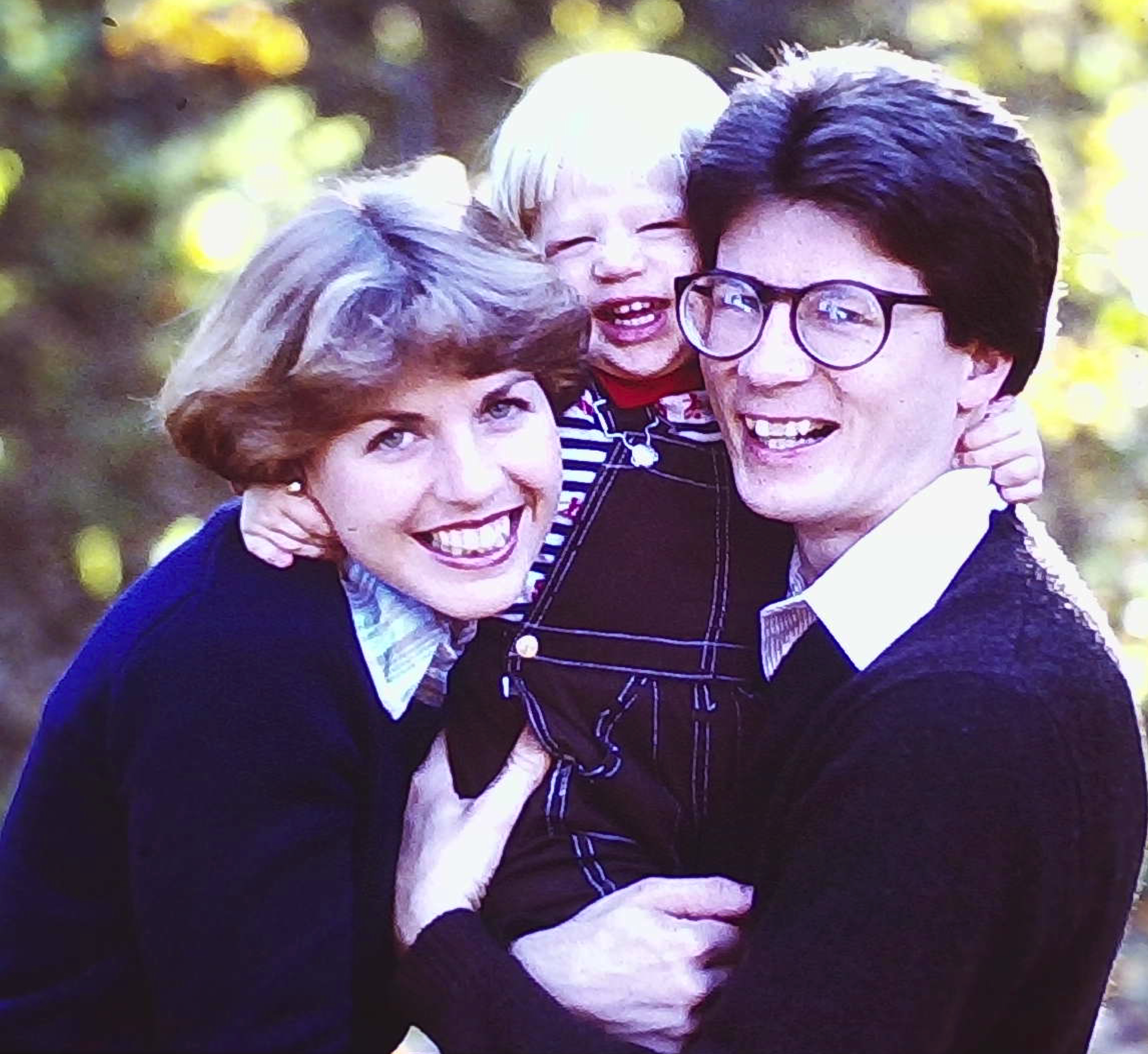
When my grandmother died in 1979, I drove my young wife and one-month old son from our home in Nashville, TN to the funeral in Wisconsin. Grandma was young enough to have a large funeral, just 72 years old. My age.

Of course, in Rio, WI, population 788, funerals were as big a social event as Friday night football at the field in Fireman’s Park. I didn’t play football. I ran cross country instead, which I convinced myself was harder.

But I was at the football games, either running the sideline keeping stats, or in the stands playing “CHARGE” on my trombone.

After grandma’s funeral service at Redeemer Lutheran, one of six churches in town – equal to the number of bars – everyone gathered in the church basement for a lunch prepared by women of the church. Because the meal was free, and there wasn’t much else happening in town that day, the room was crowded.

My wife was most concerned with the one-month old son not accustomed to the noise and crowd and whose only real concern was keeping his tummy full and his diaper dry. So, he started fussing and wailing and that’s not the sound you want to hear piercing the din of chattery family members chowing down on store bought dinner rolls filled with a slice of ham and a slab of butter, potato salad and red Jell-O with marshmallows.

Suddenly, from across the entire fellowship hall, packed hip to hip at the folding tables, my aunt Janet yelled, “Give that boy some titty!”

Now, in another context other than a rural Wisconsin farming community, that comment might have seemed out of place, even impolite. Certainly it caused all the blood in my wife’s body to flush to her toes and then recongregate in her face, making her flush a brighter red than the Rio High School Vikings mascot. But, it also gave her the freedom to excuse herself, find a quiet Sunday School classroom, and take care of our son’s immediate need.

Aunt Janet died this week, at age 91. She was my mother’s last surviving sibling and mom preceded her in death by 29 years. They were two of eight siblings, prompting my grandpa McFarlane to say he had “Two and a half-dozen children.” When grandma McFarlane died, petty sibling grievances broke familial bonds and later on, as one sibling after another died, obituaries did not list all surviving family members, as if they never existed.

But Aunt Janet was always a friend, in part due to the loquacious character of her husband, Bill, a former police officer and much longer a seed corn salesman who knew every farmer and what they needed most. Bill preceded her in death by three years.

I confess Janet’s was the first bare breast I ever saw, as I stood wide-eyed at age five while she fed her first born son, Mark, a man who grew up to be a Presbyterian pastor, nurtured as he was on the milk of human kindness. He could preach from I Peter 2, “Like newborn babies, crave pure spiritual milk, so that by it you may grow up in your salvation.”

Janet and Bill had five children and 10 grandchildren and money never flowed like water over Niagara. Janet always put her hand to the wheel to find additional resources, driving school bus for more than two decades and making wedding cakes for lucky brides and grooms.

She looked at driving bus as ministry, taking the opportunity to offer a bright, encouraging word to children with dour faces, lifting heavy, reluctant feet up the step on the way to school.

She was certain of opinion and ready with advice.

When Janet learned my cousin Allen smoked, she asked if he would rather kiss a girl or an ashtray. Allen, sarcastically defending his nasty habit, told me he responded “Ashtray.” He’s since grown beyond that – both in girls and habit.

 Janet and Bill built a house on a hill overlooking that of her mother Eva and she was diligent in looking after her mother to the end. Eva –my grandmother on my mother’s side – expressed concern that bad weather would limit the size of her funeral. She was mentally comparing her eventual celebration to the big crowd that showed up for her husband’s sendoff. In her mind, her funeral would suffer by comparison and somehow that would reflect negatively on her life.

Though such comparison is a false equivalency, if every person whose life Janet affected positively were to attend her funeral, ushers will need to bring in extra chairs.

“I never thought about it”

Much of the remodeling and landscape work on my son’s renovation of a 200-year-old house and barn in Pennsylvania is being done by Amish. Their work is exemplary, consistent and dependable.

Amish settled in southeastern Pennsylvania in the 1720s, leaving behind in Europe the persecution of their “strange” and separatist beliefs. Amish emphasize humility, family, community and separation from the non-Amish world, which includes a reluctance to adopt modern conveniences such as cars and electricity.

The Pennsylvania Amish community in Lancaster County is the largest in the United States, numbering about 30,000, double its size of 20 years ago. They’re distinctive for their simple dress, beards, bonnets and horse drawn buggies.

We wanted to give visiting relatives an authentic Amish experience, without being “ugly Americans” who gawk or get our legs caught in tourist traps that exploit this set apart people. So, who better to ask for advice than Aaron, a white bearded, retired farmer now working for his son’s landscaping company on our project.

To my delight, Aaron suggested simply that if we wanted to experience Amish life in Lancaster County, “Come to my farm. I’ll show you around.” We made a date two weeks hence.

I texted a couple days before the appointment and was concerned that I didn’t hear back. But on a beautiful fall afternoon we pulled into his manicured yard and Aaron and Barbie, his wife of 40 years, appeared immediately. Since they hadn’t heard from me, they wondered if we were coming.

I mentioned the text I sent earlier. Then we both laughed. Their telephone is in a building separate from the house, to be used for business purposes only, and of course, is not mobile.

We took seats in their recently constructed house, modern and perfect in every way except that there are no electrical outlets, nor lamps, nor counter appliances, nor overhead lights. Designed to let in lots of sunlight, a propane tank on wheels with a filament bulb on a tall rod provided light when darkness falls.

A propane powered refrigerator graced the kitchen. While electricity is considered a convenience too worldly, workarounds with generators for power are apparent in the barns. Rules and restrictions governing humility and simplicity vary by area bishop.

We asked Aaron why farm implements roll on bare steel wheels, with no rubber tires. He said it’s a bishop’s rule to keep people from going fast.

Daily life is guided by simplicity and a pace slow enough to appreciate the smell of freshly turned earth or cut grass or a grandson’s grasp of your leg as you walk the fields together. No doubt outsiders romanticize these things about Amish life, but the truth is starker. Anyone dependent on modern conveniences woven so completely and unconsciously into daily life that we don’t even realize our dependence, would find it very difficult to shed them in favor of a slower, harder, more deliberate life.

For that reason, Aaron said, they do not encourage people not born into the Amish community to “convert” to their faith and culture.

As a young sharecropper, my grandfather walked behind a mule pulling a plow. But when he gained access to a tractor, he embraced the innovation and convenience wholeheartedly. Amish farmers are content with their mules. Whether tractors, telephones, automobiles or microwave ovens, they recognize that innovations do not necessarily contribute to a better, fuller, deeper life.

Sitting together in a comfortable living room, a Bible and reading glasses atop a small table by their chairs, we asked this 62-year-old couple if they were granted permission to embrace any single modern convenience – the kind of utility they see every day as they live among “outsiders” – what might it be?

Silence.

After a while I suggested to Barbie that I thought she might say “electricity.” She smiled meekly and said, “I considered that.” When pressed for his answer, Aaron said, “I’ve never thought about it.”

Whoa.

Aaron farmed 50 acres with mules, raised eight children, six of whom have 33 children, raises dogs and tobacco for extra income, gave the farm to a son and now works another son’s landscaping business, is a stalwart in church and community, and he’s never thought about what mechanical, transportation, electrical, communication tool available to others he might like for himself?

All the while he lives among outsiders who think camping out overnight to be first in line for a new phone model is logical and that instant gratification is too slow. We’re bombarded by constant messages that we will be happier if we grasp, strive and reach for the next purchase, entertainment, or experience that will somehow endow us with the satisfaction Aaron has just by living a simple life in a caring community of like-minded folks.

“Content” is the only word to describe a man whose lifestyle barricades him against the onslaught of television and social media, who has never thought about embracing modern conveniences. He is content and committed to a way of life that is set apart, not conforming to the world. Romans 12:2 He evidently thinks about such things no more than a fish considers water.

Few modern Christians are consciously set apart from the world. Our most significant symbol – the cross – has been so co-opted and adulterated that it no longer retains significance as a Christian symbol.

Maybe that’s why we admire the simple, quiet, slow – contented – pace of Amish life.

Before I met Aaron, I’d never thought about it.

Moments planted yield the fruit of memories

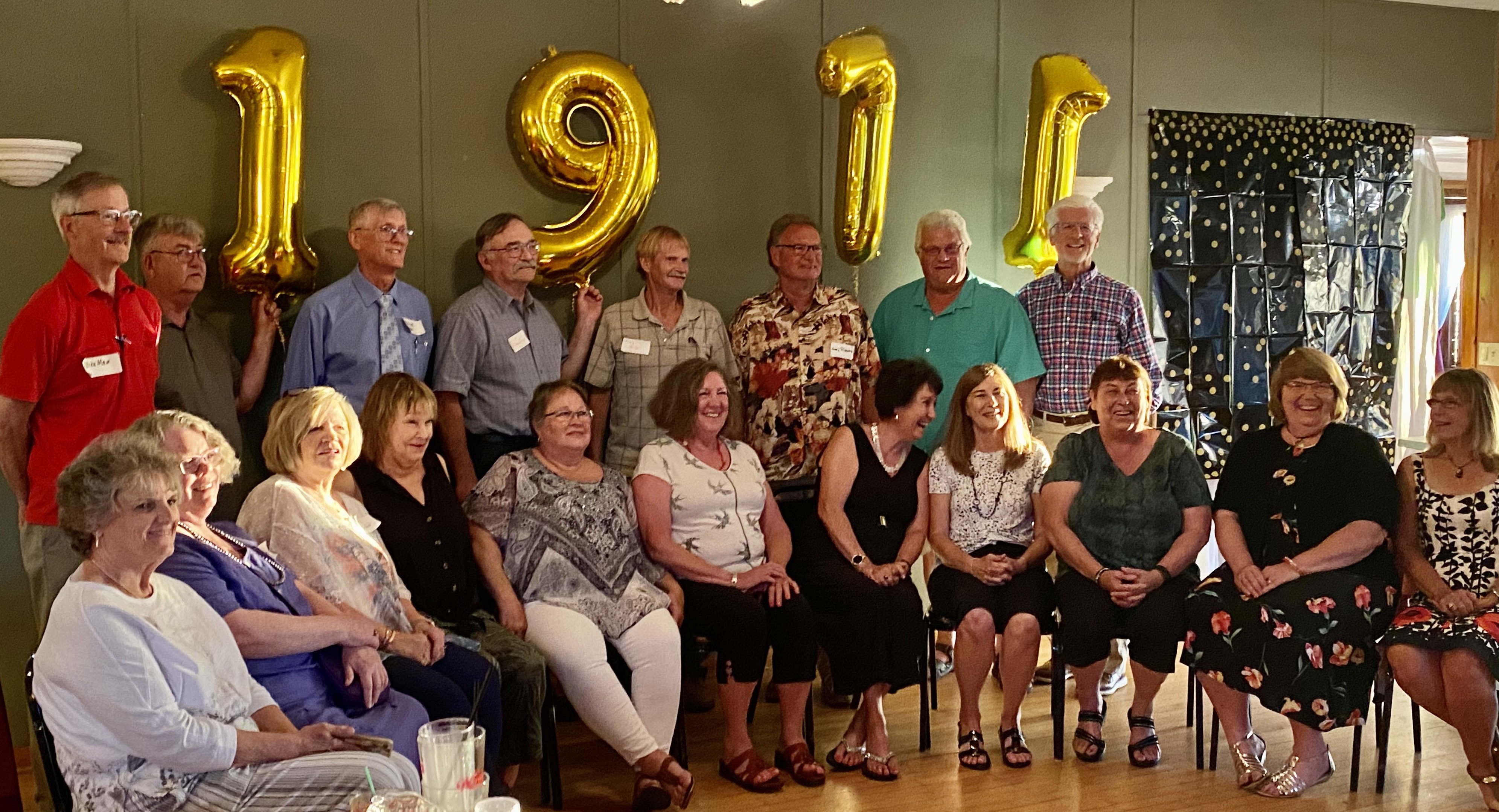
Members of the Rio, WI high school graduating class of 1971. Not a bald head among them.

Confession up front: before my 50th high school class reunion in June I looked over my year book to reacquaint myself with the names – and cherubic faces – of those from my class who might appear. 

Having delivered our graduates’ speech as valedictorian of our 53-member class five decades earlier, I was asked to “say a few words” on this very convivial night, decades past the gateway to a dream that seemed to open to us in 1971. We’re also decades past having to color our palette of life, careers, marriages, successes or failures in hues that confirmed that we’d “made it.”

So, I talked about “making it,” and memories.

Members of our class were born in 1952 or 1953. I mentioned notable characters born in those years, including Vladimir Putin, Patrick Swayze, Liam Neeson, George Strait, Floyd Mayweather, Mr. T and Roseanne Barr, Hulk Hogan, Cyndi Lauper, Pierce Brosnan and Tim Allen.

We remember these politicians and entertainers because in our minds and in our culture, they “made it.” They are rich and famous, at the top of their respective fields. Say their names and people know who you are talking about. 

“Did we make it?” I asked. “Are we making it?” 

I was pleased to hear an immediate “Darned right,” from Jerry, our star athlete who was an all-conference football player in college and who has concluded his career in insurance, primarily among farmers in two counties.

No matter what we think “making it” means, I know we all have a different perspective on that than we did 50 years ago – or even 20 years ago. Success? Riches? Fame? Security? Family? Love? Inventions? 

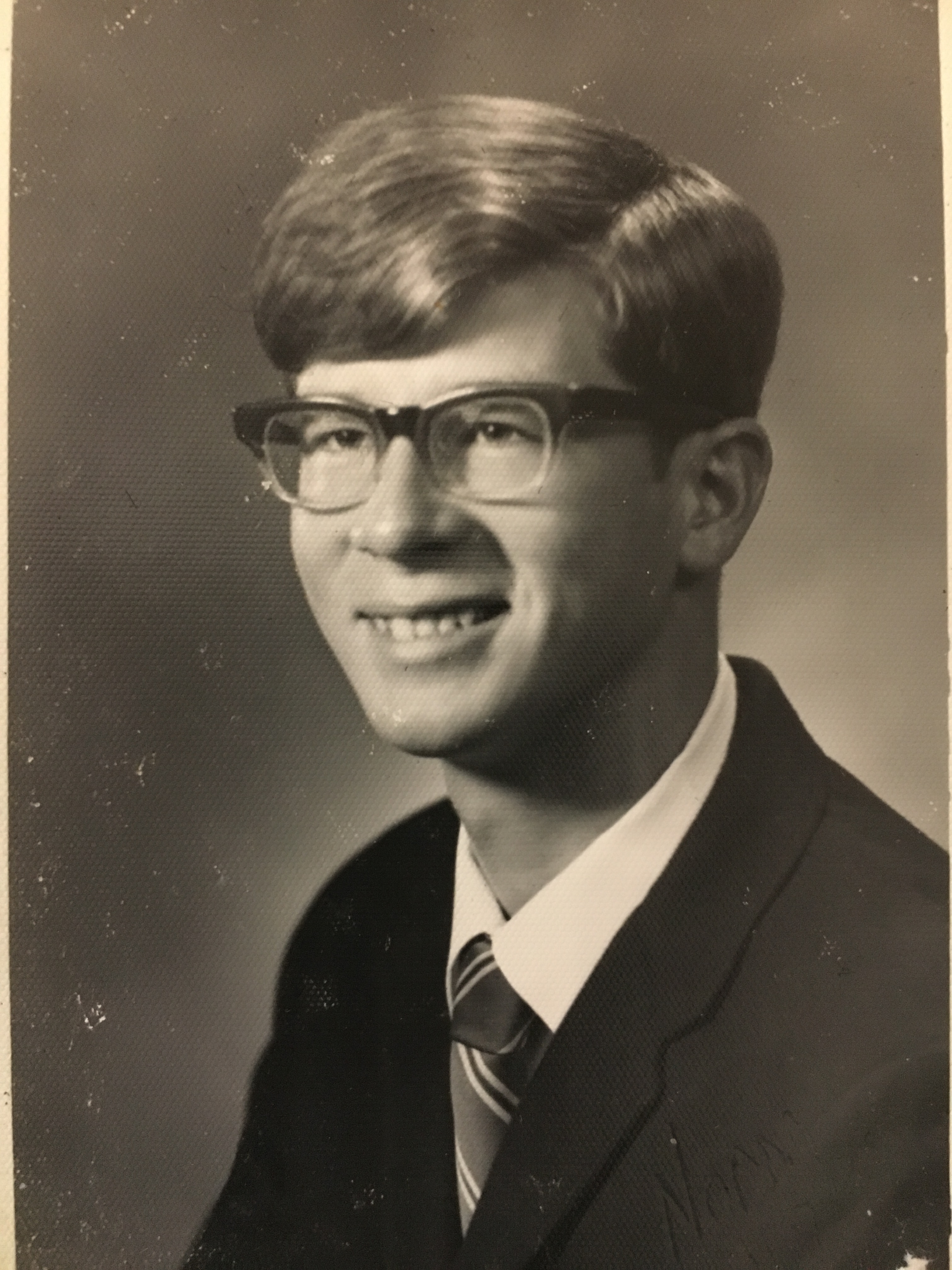
My 1971 high school graduation picture. Naive, hopeful, eager.
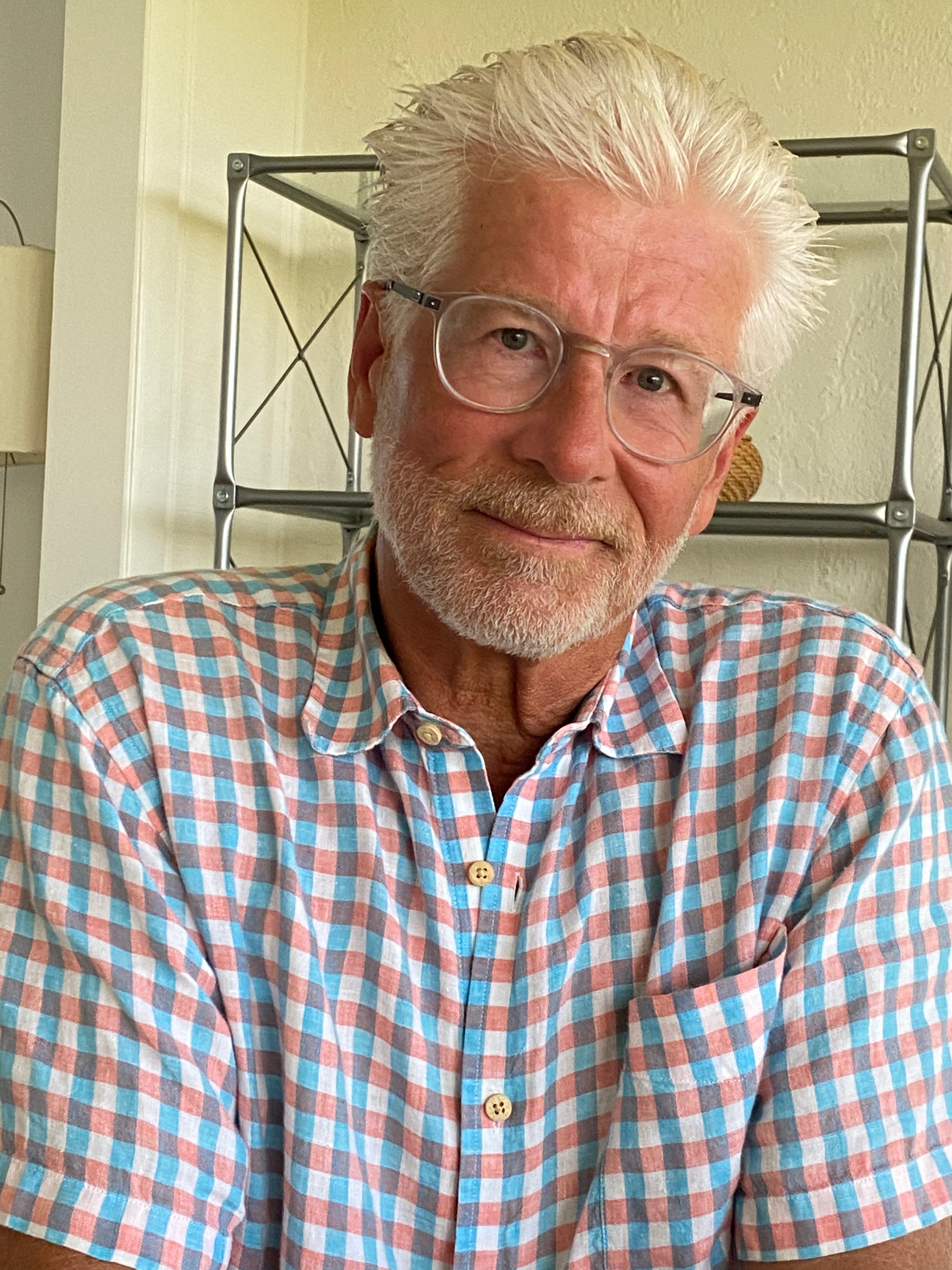
Fifty years of sandblasted life later, mostly in Baptist communications.

Except for seven months, I’ve never lived closer than 600 miles from either my parents or my in-laws. My quest to “make it” took me from state to state. I’ve lived twice in Texas, twice in Oklahoma, twice in Colorado, in Tennessee and now North Carolina. My daughter was six when we moved to North Carolina and North Carolina was her fourth state to live in. 

I came home annually to visit – and as long as my dad lived, Rio was always “home.” For the longest time, I thought “making it” meant anything away from Rio, population 788. My dad always told me Rio’s population stayed at 788 because any time a young woman had a baby, an older man left town. 

Looking across the room I saw vibrant senior adults, many of whom never left the area, and all of whom have “made it.” They stayed, invested themselves, coached the local teams, served on the school board, nurtured the children of other families, and offered their voices of wisdom among their peers. They’ve been important to many lives. 

Reunions are the fertile soil in which the seeds of memory planted much earlier blossom and flower. We harvested those blooms at our 50th.

We remember moments, rather than days, as philosopher Cesare Pavese said. We all have memories of high school. Some we share, others are unique because none of us lived the same life. And the best part of those remembered moments are the people we shared them with.

Writer and theologian Frederick Buechner said, “When you remember me, it means that you have carried something of who I am with you, that I have left some mark of who I am on who you are. It means that you can summon me back to your mind even though countless years and miles may stand between us. It means that if we meet again, you will know me.”

And we want to be known. And remembered. Someone has said you die twice: first, when your heart stops and you’re buried. The second time you die is the last time someone says your name… whether it’s a year, a decade, or a century.

So, I named the seven members of our class who are with us no longer. They remain alive in our memories. 

Then we had fun recalling not only the names of our teachers, but some of their idiosyncrasies: the teacher/coaches who helped athletes with grades; the biology professor we called Bernard the Monk because of his curly bowl haircut and demeanor; the English teacher who the girls always felt was peeking up their skirts.  

Gas was only 33 cents a gallon at Bleigh’s service station during high school. I’d drive across town to the Farmer’s Union Co-op if it was 32 cents there. Of course, “across town” was less than a mile, with one stop sign.

Janis Joplin was singing “Me and Bobby McGee” and “The French Connection” competed with “Fiddler on the Roof” and “Dirty Harry” for your $1.50 movie admission. 

Living in the south now, I told the class every region has its rednecks, but southerners are special. You know you’re a redneck in the south when you take your dog for a walk and you both use the same tree. Or, when grandma’s wish list includes ammo. Or when you think “The Nutcracker” is something you do off the high dive.

One anomaly I noticed was that not a single person in the room was bald. According to the U.S. National Library of Medicine, male pattern baldness at some level affects more than 50 percent of all men.  It stands to reason that someone would be bereft of hair. 

Perhaps humorist Garrison Keillor’s observation of his little hometown of Lake Wobegon – the model of which easily could be Rio, WI – is right. There, “all the women are strong, all the men are good-looking, and all the children are above average.”

For all of you who are having reunions and special functions, blessings on every classmate and friend who has “made it” this far. May you have many more years to be a positive influence in your children – who always need their parents – and their children, who more desperately need the positive influence of grandparents now than ever before. 

These are the people of our lives, thrust together by time and circumstance, calling up the memories created by moments together. I’m grateful for them. 

March Basketball: More Magic than Madness

You don’t have to be a basketball fan to appreciate – at least a little – the frenzy around March Madness, when 68 men’s college basketball teams and 64 women’s teams line up in a three-week frenzy to chase a national championship.

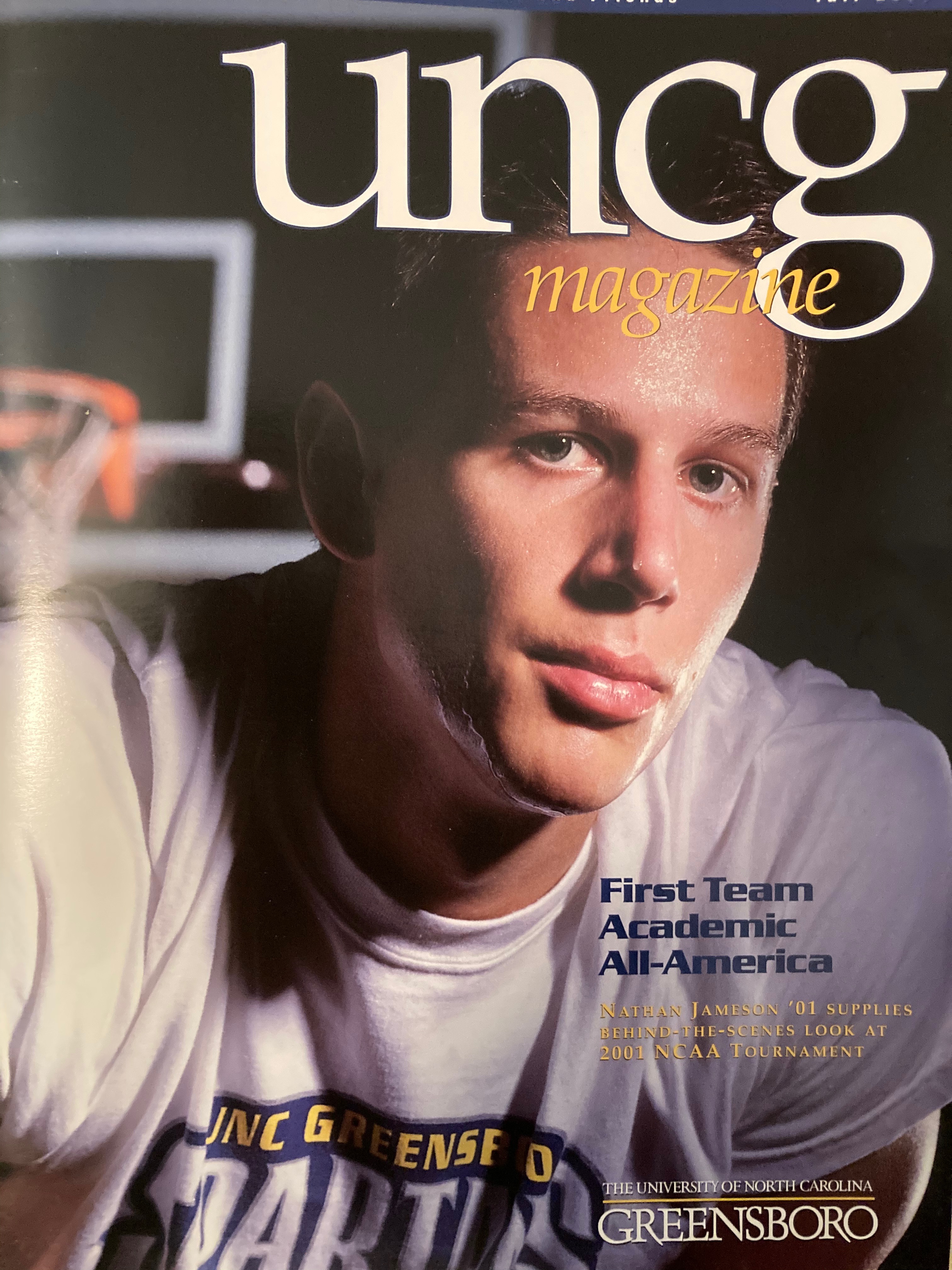
I was a piddling part of the madness 20 years ago when my son Nathan’s team, the UNC Greensboro Spartans, won the Southern Conference championship and an automatic bid to the NCAA tournament. Our reward was a trip to San Diego to take on Stanford, the No. 1 team in the country. 

UNCG featured Nathan after his selection as Academic All-American.

The story would be incomplete without recalling the dramatic way we won the Southern Conference championship. We led Chattanooga the whole game, until they scored a couple baskets at the end, including a length of court layup to take their first lead, with about two seconds left. 

The roar of Chattanooga fans’ delirious exuberance thundered through the gym like an Amtrac Express. They were sure they had just snatched a victory, the championship, and an NCAA bid. But, a 79-foot pass to our junior center David Shuck, who dribbled once and laid it in at the buzzer, snatched it right back and UNCG fans raised our own roar that would have collapsed the walls of Jericho. 

We won. We were champs. We were in. Shuck’s two-second trip down the lane validated all the turmoil, trauma, tumult and thrills of Nathan’s basketball career. It rewarded his work and sacrifice of 16 years, including midnight shooting practice in the cold rain after a bad game. 

Bounce, bounce, bang, rattle, swish. We woke to the sound of Nathan shooting on the garage rim after a rare junior high loss. “Tell him to come in out of the rain,” Sue Ellen said to me. I considered it a moment, then said, “Nope.” He was working toward March, eight years hence.

When he was being recruited, one of his considerations was to choose a school and team that he thought could make it to the NCAA. A couple schools he turned down made it there first, but as a four-year starter, he was instrumental in getting the Spartans their shot.

Winning any championship is a rare moment and I was incapable of fully absorbing its majesty, through the chaotic elation spilling through the shouts, laughter, hugs and screams of our fans. After a few moments immersed among them, I walked quietly to the other side of the floor, to observe it, to open the aperture of my senses wider, to get a wide-angle view of it all and etch it like a chisel into the marble of my memory. 

As I turned back toward the action, Nathan was suddenly there. He had followed me, pulling away from his teammates, fans and well-wishers to wrap his arms around me in a long, sweaty, exuberant embrace that was 16 years in the making. He’d been playing basketball in a uniform since he was six years old. 

It was our best hug ever, until 18 years later when – at a men’s retreat he facilitated – I discovered in myself and confessed to him what drove me through life to keep from being caught from behind. 

In fourth grade, in a new state, we walked into a gym full of strangers for the local county league “draft.” The coach who picked him said later that he’d seen Nathan walk into the gym and he “walked like an athlete.” By sixth grade Nathan was player of the year in the conference. By senior year of high school he was North Carolina private school player of the year and by senior year of college he was first team Academic All-American. 

One day I asked Sue Ellen to name her top three basketball memories of Nathan’s career. I knew what mine were. She named hers. We matched. 

First, the high school game in which, with his future college coach watching, he scored 27 as Wesleyan Academy beat rival Greensboro Day for the first time. 

The Spartan’s basketball program Nathan’s senior year implied this was the year to win it all.

Second, on a cold night with ice pelting the roadways, UNCG was scheduled to play at Davidson, a school that had recruited him early, then backed off because he was “too slow to play at this level.” Nathan’s wife, Robyn, had driven to our house so we could drive to the game together. Caution urged me to stay home, until I noticed Robyn’s Jeep in the driveway. Hmmm…Jeep. Four-wheel drive. Off we went.

We trailed by 15 in the first half as the falling snow seemed to freeze our shooters’ blood. As far as I could tell, in a packed Davidson on-campus arena, there were no more than six UNCG fans, sitting shoulder to shoulder in the stands. In the end zone, a round, fuzzy haired, flush-faced Davidson fan kept pointing at us and laughing as we fell further and further behind.

After halftime, we kept edging inexorably back within range and with the clock racing all too quickly toward zero, “too slow” Nathan earned a defensive stop on their guard, so we got the ball back, and Nathan promptly hit a three. 

Under 10 seconds, trailing by one, we had to foul their senior captain in an attempt to get the ball again. Incredibly, he missed both free throws. We rebounded the second and our guard Courtney Eldredge took the ball down the court full speed and hit a three at the buzzer to win it. 

The gym crashed totally silent except for six UNCG fans screaming like maniacs. I hugged the woman next to me, whoever she was. Then I hugged Sue Ellen, looking over her shoulder for the flush-faced Davidson fan in the end zone. I laughed and pointed at him and he was so mad I thought his head was going to come unscrewed and zip through the gym like a balloon suddenly untied. 

The third best memory, of course, was the championship game. As Nathan recalled in a retrospective published by UNCG this month, it can’t possibly be 20 years  since that incredible game, that amazing experience. But it has been and to all those kids who are playing this month for their “one shining moment,” God bless them all. 

I know what it took to get there, and it’s an experience they’ll always remember.

Pickleball: Funny name, great game

I was first exposed to Pickleball, four years ago when I stood in line at a local school to vote. Through windows into the gymnasium, I saw some old folks whacking a plastic ball over a net using an oversized ping pong paddle. 

I asked someone what those white-haired men and women were doing, and was told they were playing Pickleball. Odd name. Fun game.

Pickleball, which advocates claim is America’s fastest growing sport, is like a ping pong game in which you get to run on the table! Given the rate of Pickleball court construction, and tennis court conversions, they may be right. 

It’s played on a downsized tennis court, the same as that for badminton, and the ball is like your childhood whiffle ball. The paddle is hard, solid plastic, double the size of a ping pong paddle.

Last winter on vacation in Florida, my buddy and I watched Pickleballers and agreed it looked like fun, even if not quite as athletic an endeavor as we considered appropriate for us. We agreed we’d continue to play singles tennis until age 70, then doubles tennis until age 80, and then, well…Pickleball.  

In preparation for our January vacation this year, I bought a couple cans of tennis balls, packed my rackets, and threw in a Pickleball paddle in case we wanted to piddle around with that. 

My tennis rackets were never unpacked and we played Pickleball two hours a day. What a blast!

While the game is a blast, my buddy and I discovered the Pickleball community is the best part of the game. Just novices, we grabbed our paddles and were walking toward a court to figure out the game together when we saw a bunch of players already on another court. We simply asked if we could join them and they welcomed us immediately. 

If you have any eye-hand coordination and are athletic at all, particularly if you’ve played tennis, you can pick up Pickleball quickly, which is one of its attractions. And the characteristics of the game and equipment are a skills equalizer. We played with folks a decade older and 30 years younger. 

Pickleball has its own set of quirky rules and score keeping but the players patiently guided us through some initial games. I’ll not get into “the kitchen.”

In this community, bad shots are rarely criticized, or even commented upon, unless it’s, “That’s the right idea,” or “Good try,” or “Darn wind.” Good shots are complimented – by both partner and opponent – and if you manage to hit one, you’ll feel like a million bucks. 

After a rally of 10-12 quick shots, both sides appreciate the “good point” whether they won or lost it. As one player said, “No one remembers who won the last game.” Players switch partners and play another game. Suddenly you’re playing against a person you just played with, and it’s all good. 

If you’re waiting for your turn on the court, you volunteer to gather up the balls lining the fence that are out of play.  

The “poc, poc, poc” of a plastic ball caroming off a solid, composite paddle is a different sound from the “thunk” of a tennis ball off a strung racket. The Pickleball ball doesn’t bounce as much, which gives you an extra step to get to it. A windy day makes it even more interesting, as the ball is light, and it provides everyone a built-in excuse for a shot that flies awry. 

Like the promoters say, the game is fun, fast and friendly. Leagues pop up everywhere and I’ll bet you have at least one in your community. If not, just wander by the once-seldom-used tennis courts and listen for the “poc, poc, poc” of a whiffle ball. Hang on the fence looking like a hungry child and you’re almost guaranteed to be welcomed in to play

Would that all life’s interactions could be so pleasant. 

‘I want to marry your daughter.’

It was Oct. 13, 1975 and I had two calls to make from my two-room apartment in Shawnee, Oklahoma. The first, was to Bob Carver in Colorado Springs. His time zone was an hour earlier than mine, but if I woke him up, I didn’t care. 

“Bob, this is Norman Jameson.” 

“Yes?”

“I’m calling for your blessing because I want to marry your daughter.”

“Which one?”

That’s not as odd a question as it might seem. Bob had four beautiful daughters. I had grown quite close to the eldest, Sue Ellen, when we both were volunteers at a Baptist mission in Espanola, NM a year earlier. But then we went our separate ways, me to Oklahoma Baptist University to finish a college career interrupted by the Army. Sue Ellen back home to live and work. Our contact was infrequent.

In the meantime, Bob’s second daughter, Leslie, had come to OBU as a student, more in pursuit of my roommate, Loren, than of a degree. But, she was there, and Sue Ellen wasn’t and Bob hadn’t yet learned of the sudden, unexpected reunion that I had with Sue Ellen the Columbus Day weekend she came to “visit Leslie.” 

So, when he asked, “Which one?” the question was legit. For all he knew, Leslie and I were dating. But, my answer was, “Sue Ellen.” 

“Do you love her?” 

“Yes sir.” 

“Ok then.” I think he was anxious to get back to sleep. 

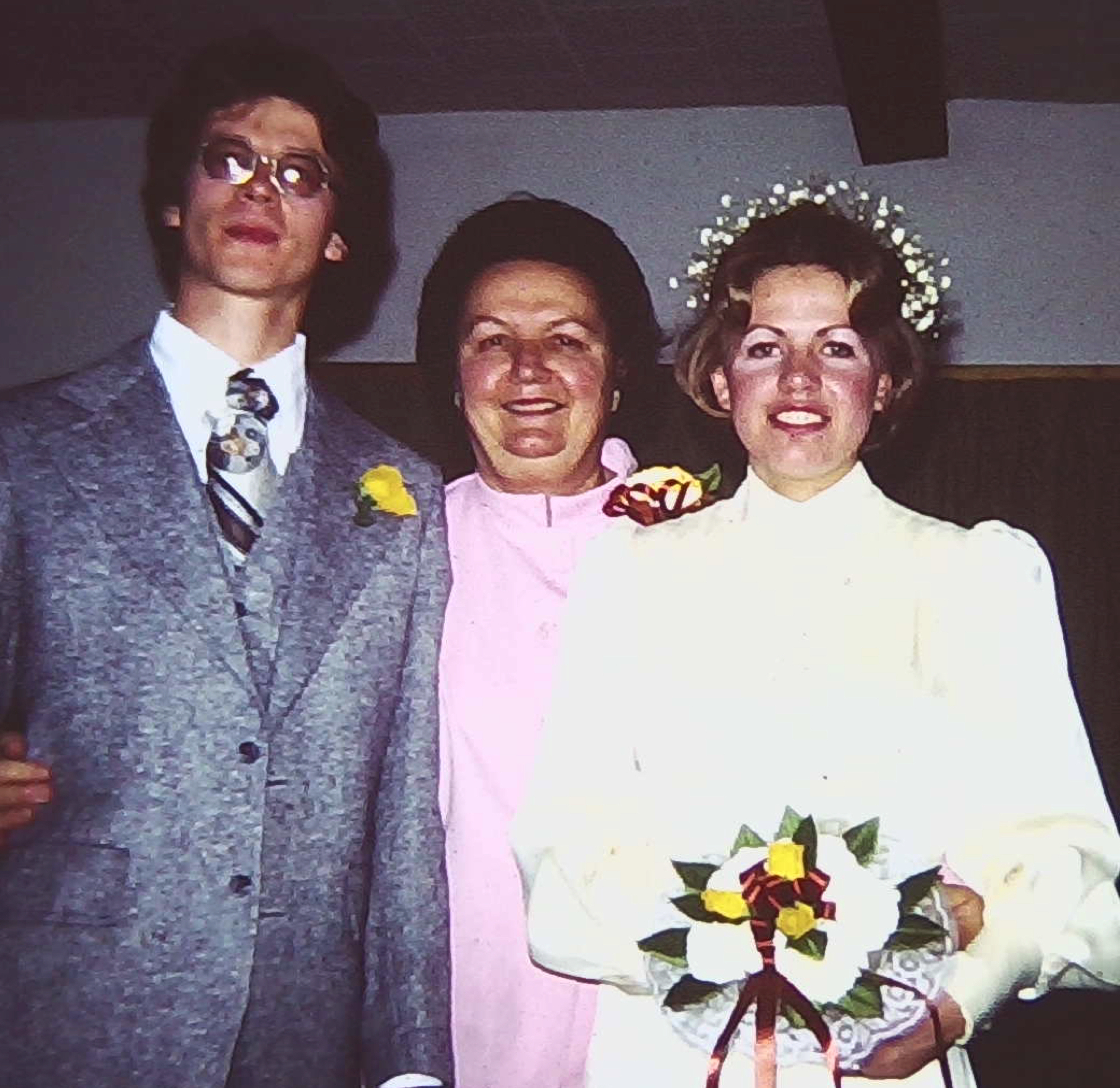
The widow Ethyl Abbott ran Templo Bautista and stayed as long as the Lord would send her volunteers. Her first two volunteers married each other, on Dec. 27, 1975.

My second call was to Sue Ellen. I asked her over the phone to marry me and she agreed. We saw each other at Thanksgiving in Colorado. We married at Christmas in New Mexico. In that two months, Sue Ellen basically did all the planning and sewed her dress and her bridesmaids’ dresses. 

Army buddies from Texas and New Jersey stood up with me. My parents from Wisconsin met Sue Ellen for the first time when they came to the wedding. I don’t think mom fully believed I was getting married until she met Sue Ellen. Once she did, mom would have disowned and dismembered me if I had been fool enough to let her go again.

That was 45 years ago. December 27. Between semesters at OBU. Sue Ellen worked at a local bank to cover groceries and our $65 a month apartment rent. I edited the college paper and paid tuition with the GI Bill. 

A year later, she loaded the U-Haul while I made my senior marketing presentation to a local bank, then we drove into the night to Colorado Springs where I had an outside hope of landing a reporter’s job at the Gazette-Telegraph

We’ve made a lot of interstate moves for work ever since, each one supposedly improving our lot, moving from the newspaper to Nashville, TN where I started a career working mostly for Baptist entities. From Nashville to Texas for seminary, traveling now with two little ones. I didn’t know until we arrived in separate vehicles that Sue Ellen had cried all the way to Texas. 

Seminary was the most difficult time of our marriage. Working fulltime and going to school full-time. Leaving for the library at night with my son tugging at my leg. Discovering we had different goals for when we were finished.

One afternoon while agonizing in the combination porch-guest room-laundry room-study of our tiny rent house I cried out to the Lord for clarity of purpose and future. I heard clearly as if God had texted directly to my brain, “Stay in religious journalism.” Within 48 hours the editor of the Oklahoma Baptist Messenger showed up out of the blue and asked me to join his staff. I could finish my seminary degree by extension classes at my alma mater, OBU.

So, it was back to Oklahoma before the fundamentalist effluvium seeped into that state convention and made it untenable for anyone who possessed a contrary thought. We “told” God not to present a professional opportunity that He didn’t want me to take, because I was grabbing the first one that would carry me out of Oklahoma. 

Then Baptist Children’s Homes of North Carolina called, and we crossed the Mississippi with three children. Our daughter was six and North Carolina was her fourth state. We figured to stay two or three years and make our way back west. That was 33 years ago.

We’re in our fourth North Carolina city, or sixth North Carolina house and am retired from my seventh North Carolina job. 

45 years later, the years truly are golden and the mystery of oneness remains worthy of continual examination

I say all that to say Happy 45th Anniversary to the bride of my youth who has followed me, encouraged me, supported me, bore our children and taught them how to live, provided incredibly valuable insight and wisdom, sacrificed her own dreams for those of her family and laughed with me to keep me from crying. She’s been a rock, always trusting in the hand of God on our lives, and in me. She makes me a better man.

And she no longer answers her phone to an unidentified caller.

March of the Memories

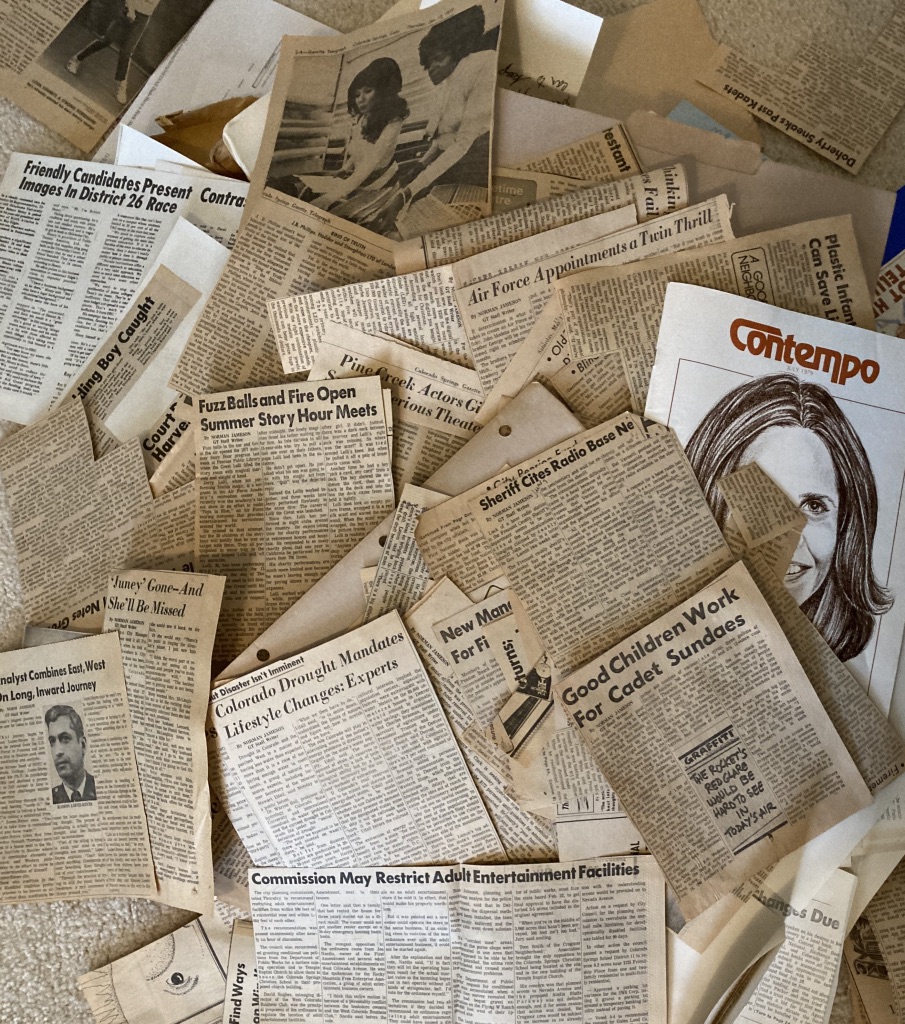
One of the joys of examining the four boxes of clippings and slides I’ve carted through eight states since I started writing for newspapers and magazines in 1971 is the memories prompted by each. The bride of my youth has been after me for years to sort them out – an urging in which she redefines “sort” as “throw.”

In feigned sincerity, I’ve maintained I’m saving those clippings, notes, magazines, reporter’s notebooks and photos and slides as source material for my biographer. Now, realizing I’ve lived a nominal existence as driftwood in pursuit of a dry bank, I am fully confident, with no regrets, to know that no writer will be examining my life as subject matter for a biography. 

With the perspective of time, I realize the yellowed, crinkly clippings of old articles that were so vitally important to me for decades – so important that I carted them from house to house, move by move, state by state – are really no more significant than the cardboard boxes that hold them. 

And yet, each story I pull strikes chords, pinging my memory with the characters that marched through my life: their intrigue, character, flaws, political maneuverings under the cover of religion, the revelations. Each of them and all of this was so vitally important – then.

“The next story” consumed my daily work life. Some were as mundane as an 11-year-old girl boxer fighting the boys,  or a man’s toy train hobby, or the announcement of program personalities for the next national convention.

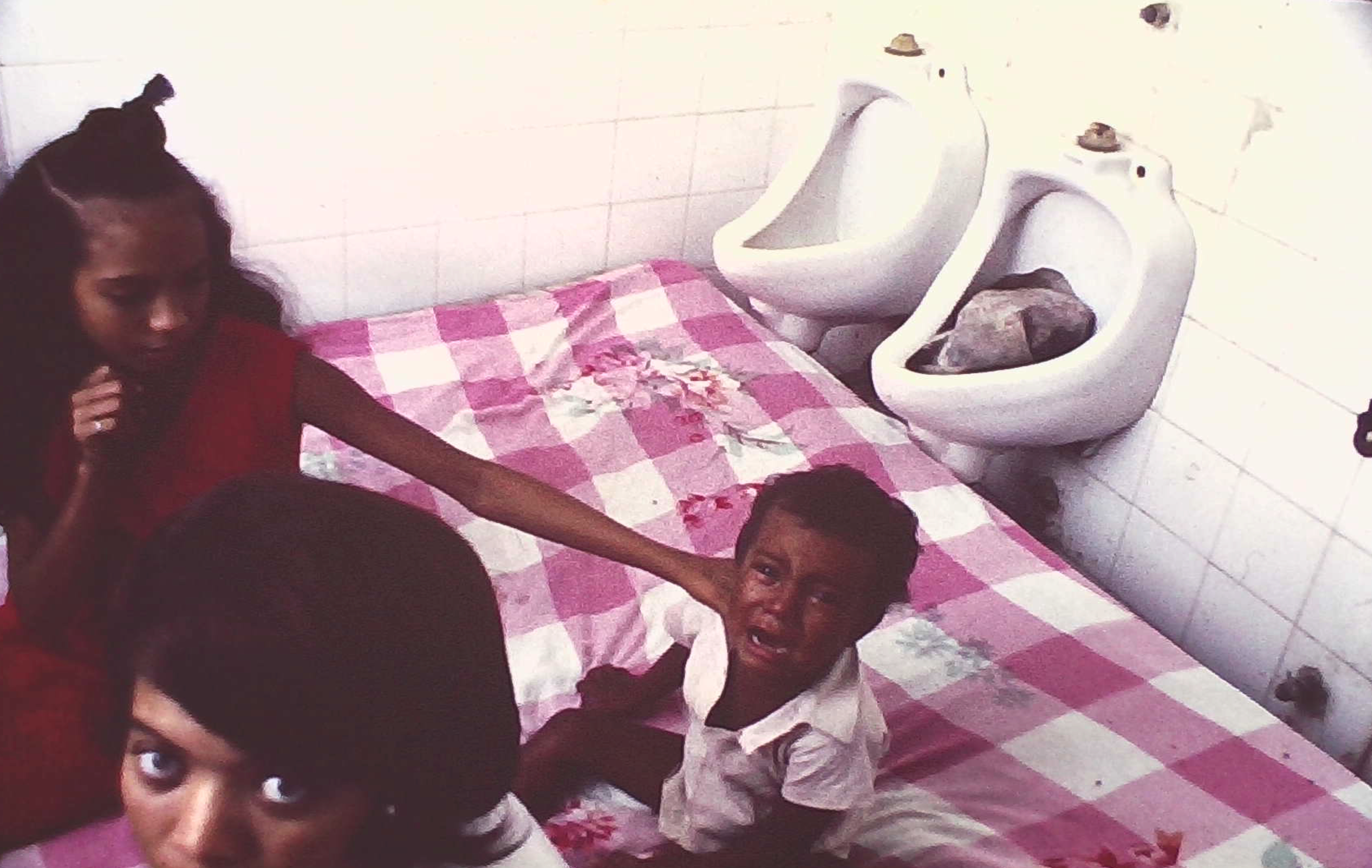
Other stories still give me a twinge of pleasure when I recount the events and the people involved: the man who wrestled his single engine plane from a fatal collision with earth just seconds before certain death; Baptists returning from negotiations with the Iranian Ayatollah Khomeini;  death row interviews; Christian disaster response. 

Writers – at least those who save their clippings – enjoy the enviable blessing of leaving a trail through our personal history that we can follow back to the beginnings. Like Hansel and Gretel,  our words are the cookie crumbs that prompt the memories that lead us home. They bring back the people, moments, smells, sights, and energy of the moment when we recorded them. 

The flying carpet of my memory whisks me back in time. A letter from Ronnie thanking my mission team for a life changing weekend; a congratulatory letter from Wisconsin Congressman Bob Kastenmeier for being valedictorian of my high school class ; my serviceman’s life insurance policy so President Nixon would know where to send the benefit in case the war he kept alive meant my death; my first Leave and Earnings Statement as a grunt in this man’s Army – $189, paid in cash, with which to go wild. 

I found the record of the first check I ever wrote: for $1,005 to Luther College  for my half of my first semester’s tuition, room and board. I also had a receipt for “drugs” from the Luther College health service…for 93 cents. Must have been for half an aspirin. 

I seemed to have a preoccupation with death and love, according to the poems in my journal and English papers. My freshman English theme on Virgil’s Aeneid, about “too much love” earned a note in red from my enchanting, young professor Dagney Boebal. She thrilled my besotted soul when she wrote, “An interesting and original paper.” Although she gave me an A minus…for spelling. 

There was a $4.35 receipt for oil and filter change, bearing my dad’s “preferred customer” imprint, since he managed the Farmer’s Union Co-Op  where I made the purchase. It’s not the nostalgic yearning for low prices that gives me pause. It’s seeing dad’s imprint on the receipt. He died three years ago.

I reduced four boxes of memories to one, and then tackled the slides. Oh my. They’d spilled out of their little boxes and jumbled 40 years of slides into one big gumbo. I’d reach into that mangle for a handful and hold the 2×2 inch transparencies to a reading light with no chronological reference to time and space. 

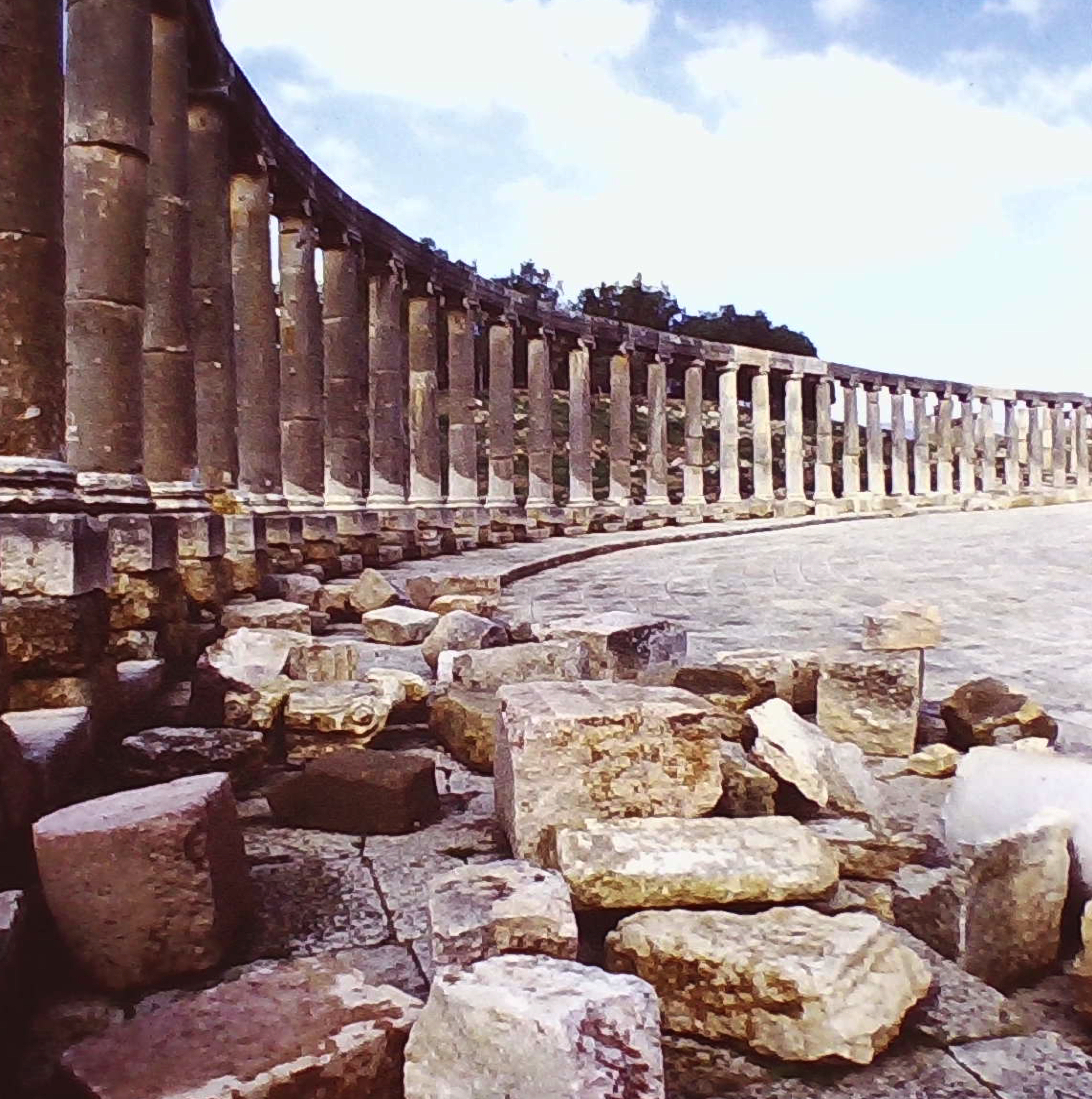
First, I’d see a Christmas picture with my kids’ grandparents, followed by disaster relief in the Caribbean, to Paris in 1983 to Petra in Jordan and ancient ruins in Israel, to children jumping dirt mounds on their bikes in Oklahoma. It’s disconcerting to go from an engagement picture to a 40th wedding anniversary shot in a minute.

It was dizzying. And delightful. 

I pulled fewer than one in 20 slides to scan into my computer. It will take me days. I’ll have Sue Ellen leave food and drink by my door. When I emerge, I may well feel it like Rip Van Winkle, who fell asleep for 20 years and missed the American Revolution. 

We may be in the midst of another revolution. I’ll participate when I get through these slides.

Dad’s wallet reveals a life

My Norwegian bachelor farmer uncle Donnie treated his wallet like a filing cabinet. He collected each year’s expense receipts in his wallet, which grew fatter with each passing week. 

Each tax season, he emptied the wallet for his tax man who sorted the receipts and paperwork to file Donnie’s taxes. Then, the wallet would slowly fill again during the year, making a continually widening bulge in his pocket. 

One summer – meaning the wallet would be about half full – Don lost it. While climbing a fence, or crawling under a farm implement, or sitting on a jouncing tractor seat, it somehow fell out of his overalls. 

Whatever money was in the wallet was an afterthought. He was distraught about all the records, receipts, his license and the agony of retracing all the lost transactions. His distress was well known to all the family, repeated over each Sunday meal and birthday cake.

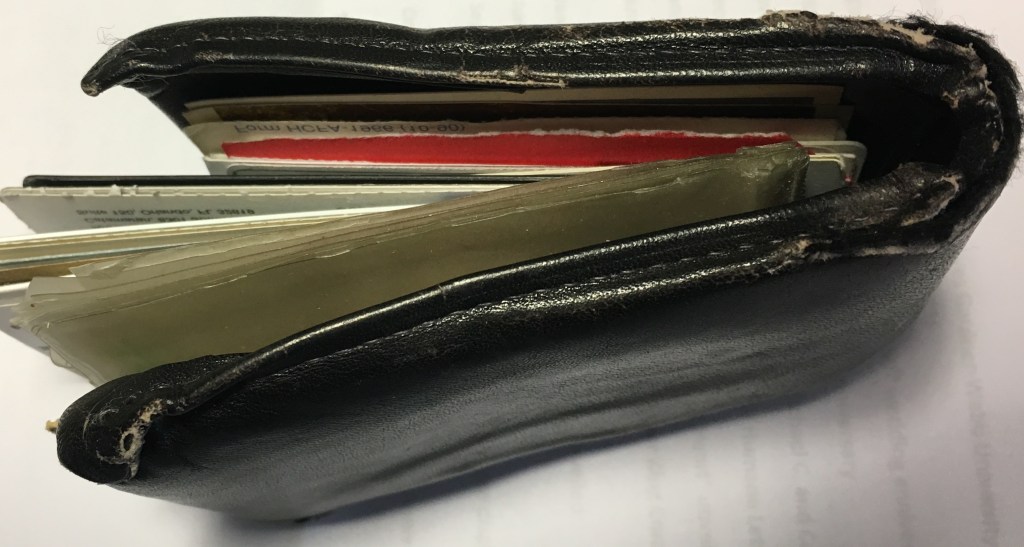
Dad’s wallet was a pocket portfolio of his life, including pictures of his grandchildren and his Selective Service card from 1948.

About two months later, my cousin Dickie and I drove the pickup down to the furthest pasture to chase the cows back up to the barn for milking. All of 13-14 years old we parked the truck, climbed the fence into the field of alfalfa – a thick, leafy forage crop about knee high. Mutually lamenting poor Uncle Donnie’s lost wallet and the resulting decrease in the “wages” he generously bestowed on his nephews, I said to Dickie, “Wouldn’t it be something if we found Donnie’s wallet?”

At that moment, as if a star ripped a seam into the heavens to beam a shaft of light at our feet, we looked down and there was the wallet, seemingly set there atop the ground with a careful hand, with the long tendrils of alfalfa pressed aside. We looked at each other and screamed, jumped up and down, picked up the wallet and headed for the pickup. 

Now, as I said, we were several years too young to be legally driving a truck, but that’s the way it was on the farm. Don taught us how to drive because he needed the help. We relished the privilege and were always very careful drivers.

But now, I possessed not only Don’s long-lost wallet, but also what I knew was a get-out-of-jail pass to drive like a bat outta hell back to the barn. No matter how mad Uncle Donnie would be to see us bouncing and spinning up the dirt track like that, I knew that when I flashed the wallet, everything would be all right. 

And that’s exactly how it turned out. 

With credit cards and electronic records kept online and on cell phones, modern wallets don’t always carry the same identifying history they once did. I mean, goodness, some guys actually carry their wallet in the FRONT pocket now. My dad was more careful with his records than his brother, Donnie. But his wallet still was a valuable filing cabinet for him, and a treasure box of memories. 

My sister Linda sent me dad’s wallet last week. Dad died three years ago, after a fall on ice in Wisconsin, in the town where he was as much a fixture as Main Street. The town where I grew up and graduated from high school, in the same building in which I started first grade.

I was hesitant to delve into that historical trove at first. Going through dad’s wallet was sure to carry me back. How far, I had no idea until I dove in. 

Every part of the wallet’s contents prompted memories. Some items were much older than I would have anticipated. Of course, I was gratified to find pictures of my children, one taken when the youngest could barely sit up straight. Today he’s 36. 

My high school graduation picture was there, as well as an earlier picture of me and two siblings. So much of the content consisted of business cards for his various doctors and insurance carriers. In fact, those were the majority of the items in his pocket filing cabinet. 

Others included a driver’s license, good through 2018. It’s expiration date outlasted his own. 

Maybe most surprising was the presence of dad’s Selective Service registration card, dated Sept. 18, 1948. Maybe he kept it because a line on the bottom of the frayed card says, “The law requires you to have this card in your possession at all times for identification and to advise your Local Board of change of address.” Dad was a stickler for the rules. 

It helps me understand a little better his lack of understanding when I registered as a conscientious objector with my own draft board in 1971. 

Another card dated August 1949 declares dad’s draft status as 3-A – a hardship deferment from being called to service, “because service would cause hardship upon his family.” His first child was born the next month, when dad was 19 and mom was 18.

And then there was the final draft board classification card dated Aug. 24, 1965 that said his draft status was 5-A – over the age of liability for service. That’s a card worth keeping. 

Dad had in his wallet his Social Security card, and cards both for membership in the Teamsters Union and honorary withdrawal from the teamsters seven years later when he was no longer driving milk truck for Bancroft Dairy in Wisconsin. 

Dad’s wallet was a pocket portfolio of a life lived both honorably and dutifully. Thank you, Dad.

Be a spark or get tossed

Sometimes we get into a cleaning, sorting, trashing, unloading kind of frenzy when we’re feeling burdened by stuff and stuff’s attraction, demands, care and maintenance. 

When Sue Ellen hits full frenzy fury, I chain myself to a post to make sure I’m not tossed into a box subconsciously labeled “of no further use,” or as an item that “no longer sparks joy,” in Marie Kondo’s terminology. 

Some few things have outlasted every purge in our 44 years together. Thankfully, I’m one of them. 

But this week Oskar died. 

Oskar was a small food chopper and came as a wedding gift in 1975. It endured several super glue fixes in recent years before finally throwing up its blades and sighing, “Please no more nuts, carrots, celery for salads, or styrofoam bars to make snowflakes for kids’ plays.”

When we think of “things” that have lasted the duration of our lives together, now that Oskar is gone, we can name three. 

First is a sleeping bag I bought when I got out of the Army. Mine was to be a wild and free life after the olive drab constraints Uncle Sam put upon me. That sleeping bag, and a tent that turned out to be a portable rain forest, so impermeable it turned my moist breath into morning showers, along with a 1964 International Scout that had a mind of its own, were my tickets to adventure. 

I still use the bag. 

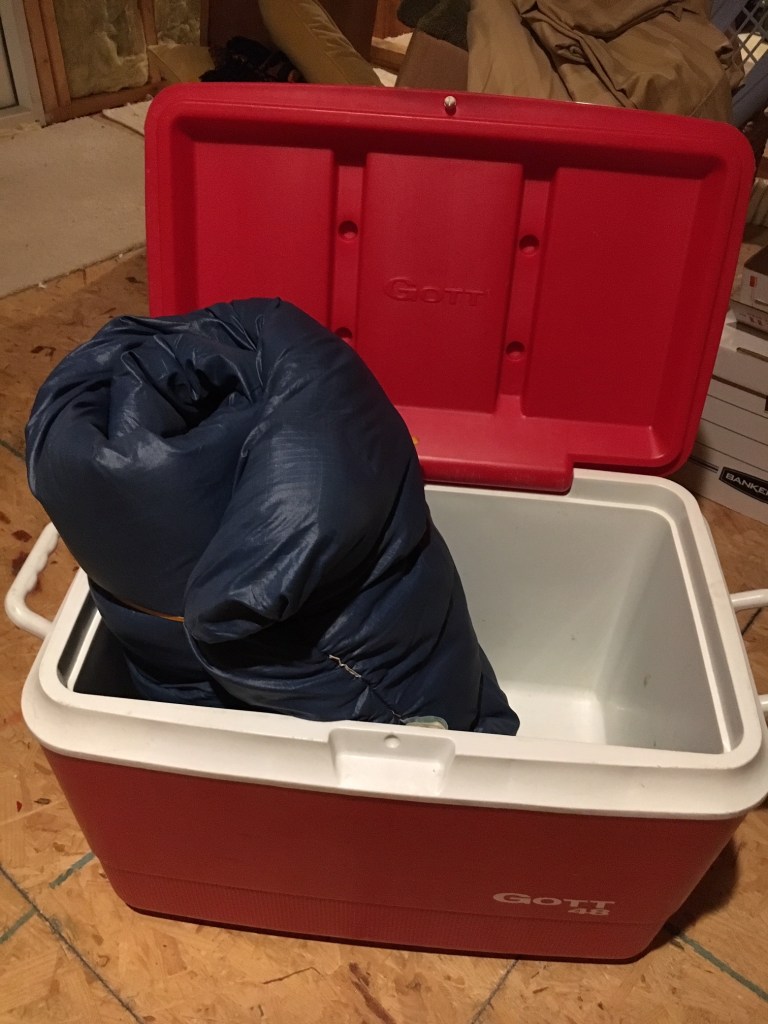
We married while I was still finishing my degree at Oklahoma Baptist University. Summers were stifling and neither our apartment nor our car had air conditioning, so we bought a Gott cooler and a bigger tent and spent many weekends at the lake. 

We still use the cooler

It often carries goodies as we travel to see our children, none of whom were conceived at the lake. Every time we pack it up, I marvel that it has been with us for so long. Yet, it still regulates the temperature of the items it contains, like the thermos I once gave a secretary. When I saw her using it the next day she told me she appreciated its capacity to keep hot things hot and cold things cold. 

I asked her what she had in it today. “Coffee and a popsicle,” she said. 

Sue Ellen was just 20 when we married. She worked at a bank and had her own apartment after moving out from a home with six siblings, and had neither time nor money to accumulate much of a trousseau. But she had started her dish collection of the then popular Yorktowne pattern from Pfaltzgraff. 

For 21 years, these were our “good” dishes, pulled out to impress company and only after the kids were old enough to know dishes were not suitable as heavy Frisbees. When my mom died we inherited her china, which became our company dishes, and the Pfaltzgraff became our everyday dishes. 

Funny how the exceptional loses its aura when pressed into common use. 

The Pfaltzgraff is heavy, and hard to spell. We can always peg the length of a friends’ marriage within a year or two if they feed us on Yorktown pattern Pfaltzgraff. 

Sometimes we look at new dishes, brightly colored, modern patterns, disposable. They might brighten up the kitchen table and provide a fresh perspective. But, they wouldn’t hold our food any better.

I confess I hold this feeling much more closely than does my wife, but there is something endearing and enduring about the consistency of an everyday implement that has been part of our lives together – every day. Not temporary, not disposable. Just consistent. Present. Available. Useful. Non-demanding. 

There is a fourth thing that we brought to our marriage, but it is more intangible. We each brought a part, insufficient of itself, but required for the whole – like the final spark plug required to make a dead engine roar to life. 

That, of course, is love. Our love for each other, a love we thought fuller and richer in the first blush of our infatuation than ever known by previous humans. Yet, it has grown with time into intimacy, interdependence, tolerance, forgiveness, adoration and the mystery of oneness into a force to overcome many an onslaught. 

When my mother died in 1996, my dad stood in the window as the hearse pulled away, kissed his hand and put it to the glass. I know our birth canal opens toward death, but dad’s slide toward the inevitable started in earnest that day. Losing mom wasn’t just grief for dad. It was an amputation. 

They had been married 47 years. I’m older than dad was at mom’s death and when I survey my environment, the accumulation of things around me and consider those few things that have been with Sue Ellen and me our entire lives together, it’s easy to dismiss the sleeping bag, the cooler and the dishes. 

The one constant that matters for 44 years has been my partner, my heart, my life. We’re closer now to the end than to the beginning, but every day still dawns a treasure. 

Happy anniversary, Sue Ellen. 

The wisdom of Bill

I was facing a big life decision recently so I went again to talk with my friend Bill. He’s the strong, silent type and a great listener but when he speaks, his voice always slices like a knife of insight through the goop clouding my thinking.

Bill’s place is very comfortable; shady with a great view of nature from where he rests – woodlands, pastures and now a large stand of loblolly pines that one day will be harvested. I laugh with him to think that when those trees are cut, people that have been driving by them for a generation are going to gripe and complain that the forest was cut down in pursuit of the almighty dollar.

They won’t remember the trees were planted 20 years earlier specifically as a cash crop to benefit the work of Baptist Children’s Homes of North Carolina, where Bill grew up, and lived and worked most of his career.

I can hear him chuckling and shaking his big ol’ head, rubbing the bald pate once forested with hair. The more time I’ve spent with Bill the more I realize he’s always understood people at a level much deeper than his easy-going nature typically revealed. He’s not snowed by the self-important preening of others who gathered around his table, even when it looks on the surface like he takes their words at face value.

I tell Bill how much I appreciate him, how he and his wife, Louise, took us in and showed us the ropes when I started working where he worked. I was a generation younger, in a higher “position” on the organizational chart and from another part of the country. None of that mattered, only that we respected each other, each worked hard and we all loved our children.

Bill doesn’t say much, but I know he cares. But, I digress.

I told Bill about the decision I faced. Comfort is cool; change is hard. His expression was stone cold, waiting for me to continue. The more I told him, the more I heard myself talking it through, the more it became clear which direction I should take.

I just chuckled. He’s always like that now, waiting for me to talk it through between us, without saying anything, knowing that eventually I’ll make the right decision.

With that out of the way, I tell him I know that he and Louise are enjoying their time back together again after several years apart, due to circumstances beyond their control. I catch him up on the kids, and sense his pride in them, as he’s proud of every kid who grew up at Baptist Children’s Homes, also due to circumstances beyond their control.

Bill acts as if he has all the time in the world, and I’m reluctant to leave him, but…life goes on. I thank Bill for his time and wisdom, rise to my feet, brush the fallen oak leaves from his headstone, and close the gate to God’s Acre behind me.

Thanks again, Bill. You’re always there for me.