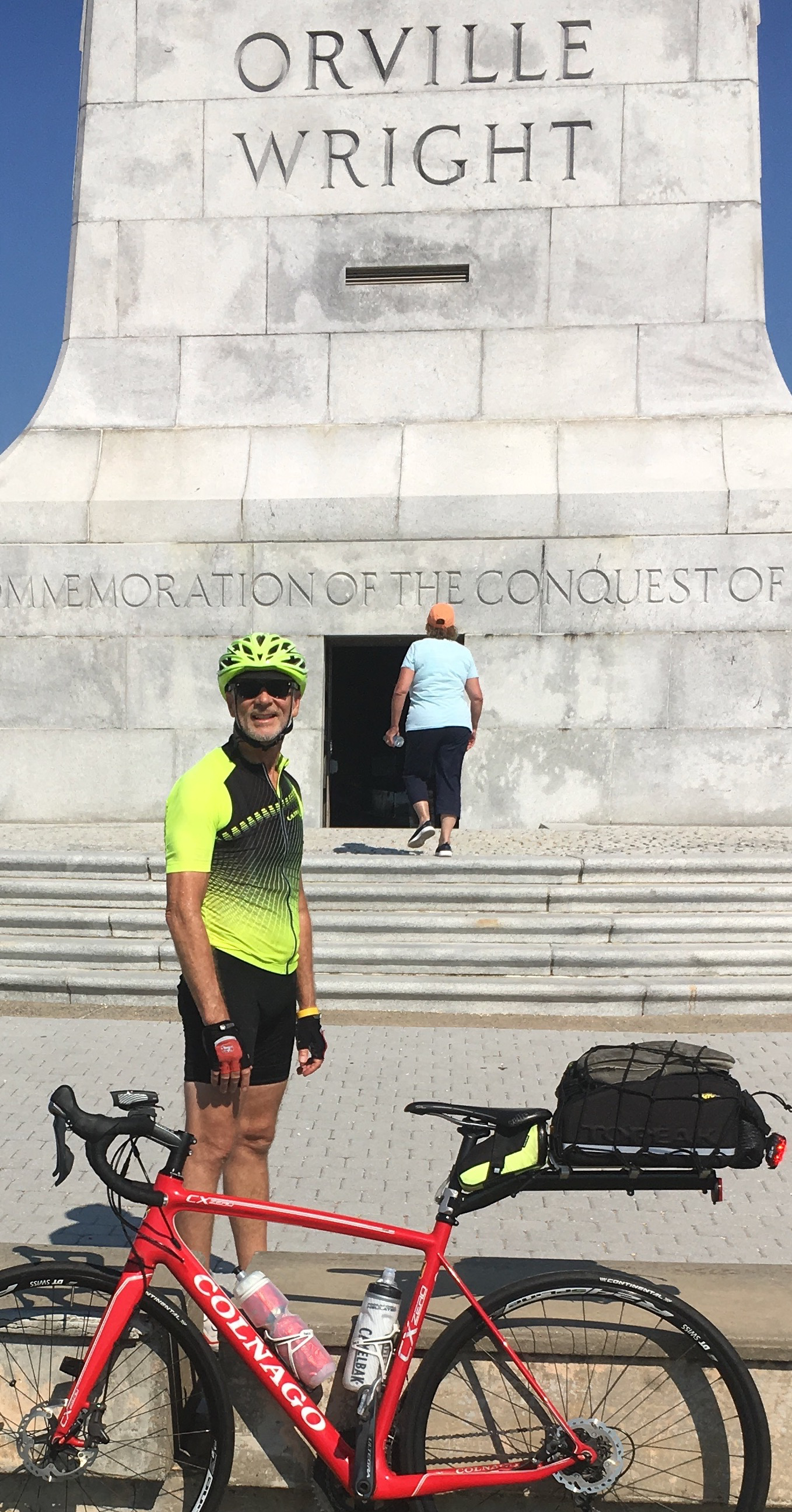
The day I turned old

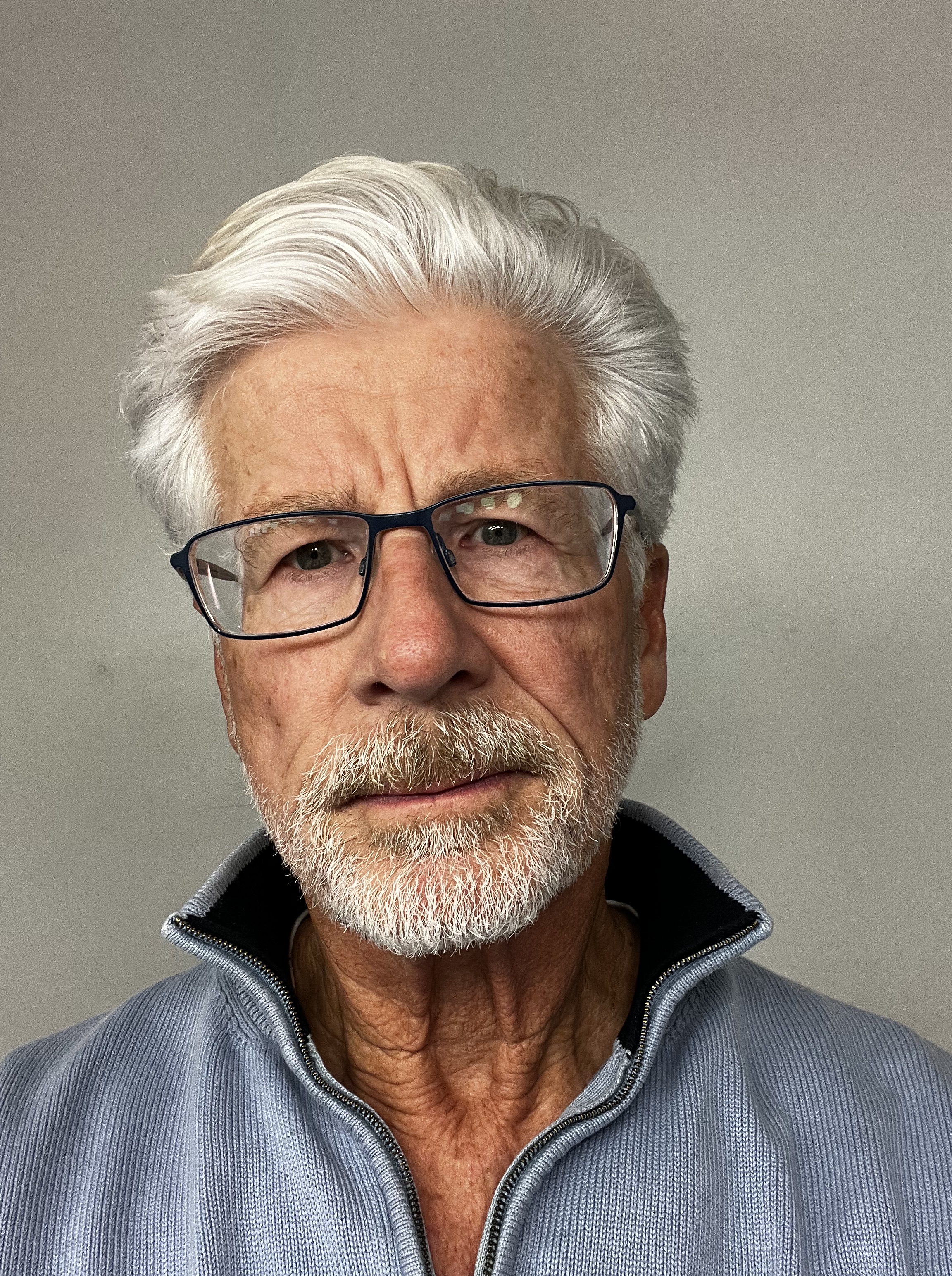
I turned old on August 30, 2025. I know the day. And the hour. And the moment.

No wonder the young lady stood to offer me her seat.

For much of my life, I looked younger than my age. I was a husband, father, and owned my second house before I shaved every day.

About age 26, I was in the barber chair with my hair wet and glasses off and my wife walked in, ready to take me home when I was finished, since we managed with one car. The barber noticed that she caught my eye, and asked, “Is that your mother?”

Later we listed some furniture for sale, some of our original “we-need-something-and-this-will-do-until-we-have-money,” pieces. A college girl called, said it would be perfect for her dorm, and arranged a time to come pick it up.

When I answered the door, she looked at me and asked, “Is your mother home?”

To say I was devastated is to say the Johnstown Flood was a trickle. I was floored. It took me days to get over it. Evidently, I still haven’t.

I was a college graduate, Army veteran, working a professional job with national connections and a college girl sees me in my Saturday morning T-shirt and jeans and asks if my mother is home.

I told her my mother lives in Wisconsin, 640 miles away, but if she’s here for the furniture, I can help. And then my wife picked me up off the floor.

Eventually, the sirocco winds of life aged my face, bleached my hair to arctic blonde and added enough wrinkles that I didn’t have to say, “No, really” anymore when my age came up.

My oldest son shares some of my facial features and when I’m introduced as his father, his friends invariably say, “I could’ve guessed.” I keep hoping one day someone will mistake me for his older brother.

Which brings me to the fateful day when the harsh reality of simple observation by a stranger shattered the mistaken impression that all the mirrors in my house are broken. I walk past a mirror, see the image it reflects, and I know that grizzled face can’t be me.

And yet.

In Budapest, Hungary at the beginning of a Danube River cruise taken to celebrate the 50th anniversary of marriage to a beautiful woman I had bamboozled long enough to convince her to marry me, the curtain came down on my illusion.

I stepped onto a tram car and a young woman stood to offer me her seat.

Glass shattered. Ego crumbled. Humility fallen over my shoulders like a granite yoke.

I implored the innocent to return to her seat. Over a language barrier, my pleading eyes, exasperated face and arm motions made my intention clear. “Please. No. Take your seat. ARRGGG.”

She politely declined, and I resolutely remained standing, amid the laughter of our traveling colleagues.

The insult of reality was exacerbated the next day when on a similar tram, my wife was warned that a conductor was on board and was checking tickets. In Budapest persons over age 65 ride public transportation free.  The local was kindly warning my wife that she needed a ticket.

Sue Ellen graciously informed her that she didn’t need a ticket, because she was 70. To which the kind commuter expressed astonishment, of course.

She then looked at me, seeing I was with Sue Ellen, and I swear I heard her ask, “Is that your father?”


‘/

Rod Stewart is 80! What does that make me?

I burst out laughing recently when I saw on the waiting room table the June/July issue of AARP magazine, the publication from what was once known as the American Association of Retired Persons.

On the cover, reverberating in neon colors, a knowing smirk and dust mop hair was Rod Stewart, the English rocker whose music dominated the sound track of my freshman year at Luther College.

The perennial young superstar is now 80 years old. But his penetrating eyes and feline, ready to pounce stage pose triggered aural memories as if I was still having nightmares about missing a test for a class I never attended and wondering why in the world I enrolled in 8 a.m. speech. 

“Maggie May” was Stewart’s break out song, originally released on the “B” side of the single “Reason to Believe.” It was practically on loop at the local radio station. Or if you couldn’t wait for it to come on after the next commercial, you just needed to walk down Ylvisaker dorm hall to hear it emanating from behind a door. 

For a naïve college freshman, away from his little farming community home for the first time, the song’s lament of a young man trying to leave an older friend who became a lover struck a fantastical chord.

“You led me away from home, just to save you from being alone,” the song says. Here I was, away from home and feeling very alone. 

“It’s late September and I really should be back in school.” Hey, it’s September and there I was, in school.

I wasn’t a rock and roll fan. The Carpenters, James Taylor and Simon and Garfunkel were more my speed. And frankly, I didn’t and don’t like Stewart’s gravelly voice. But even while writing this piece, “Maggie May” is an ear worm I can’t stop humming. 

My problem with seeing Rod Stewart on the cover of AARP magazine at age 80 is that in 1971 he was just a few years older than me. And now, he’s 80. What does that make me?

We all have triggers that remind us of how we’re aging. I think of the story of a woman who looked into the window at a hair salon and saw one of her classmates from 30 years ago. She was shocked at how the woman had aged.

She went in to say hello, introduce herself and remind her they were in school at the same time. “Oh,” the woman said. “What did you teach?”

“The morning sun when it’s in your face really shows your age,” Stewart sang.

I laughed at that line in 1971, about the sun revealing age. I still didn’t shave every day and was aggravated that I looked so much younger than I actually was. People thought i was a kid. Other guys had sideburns I envied because I just knew a strip of beard down the side of my face was the key to getting girls. 

I’ve matured from that, to the fact that I’m replacing all the mirrors in my house because they don’t work. I don’t know if the batteries are spent or what. But I’m certain the image they reflect is not the image I present.

I check the obituaries for any familiar names. There I see brief summaries encapsulating lives lived and lost that ended at ages younger than me. Persons both famous and anonymous whose roads on this earth ran shorter than the path I trod are signing off. Bon voyage.

Fifty-year anniversaries are cropping up. First, high school graduation, then getting drafted, then college. My wedding. Friends’ weddings, friendships started, events I participated in a half century ago.

About the time Rod Stewart struck it big with Maggie May.

Going to need extra chairs

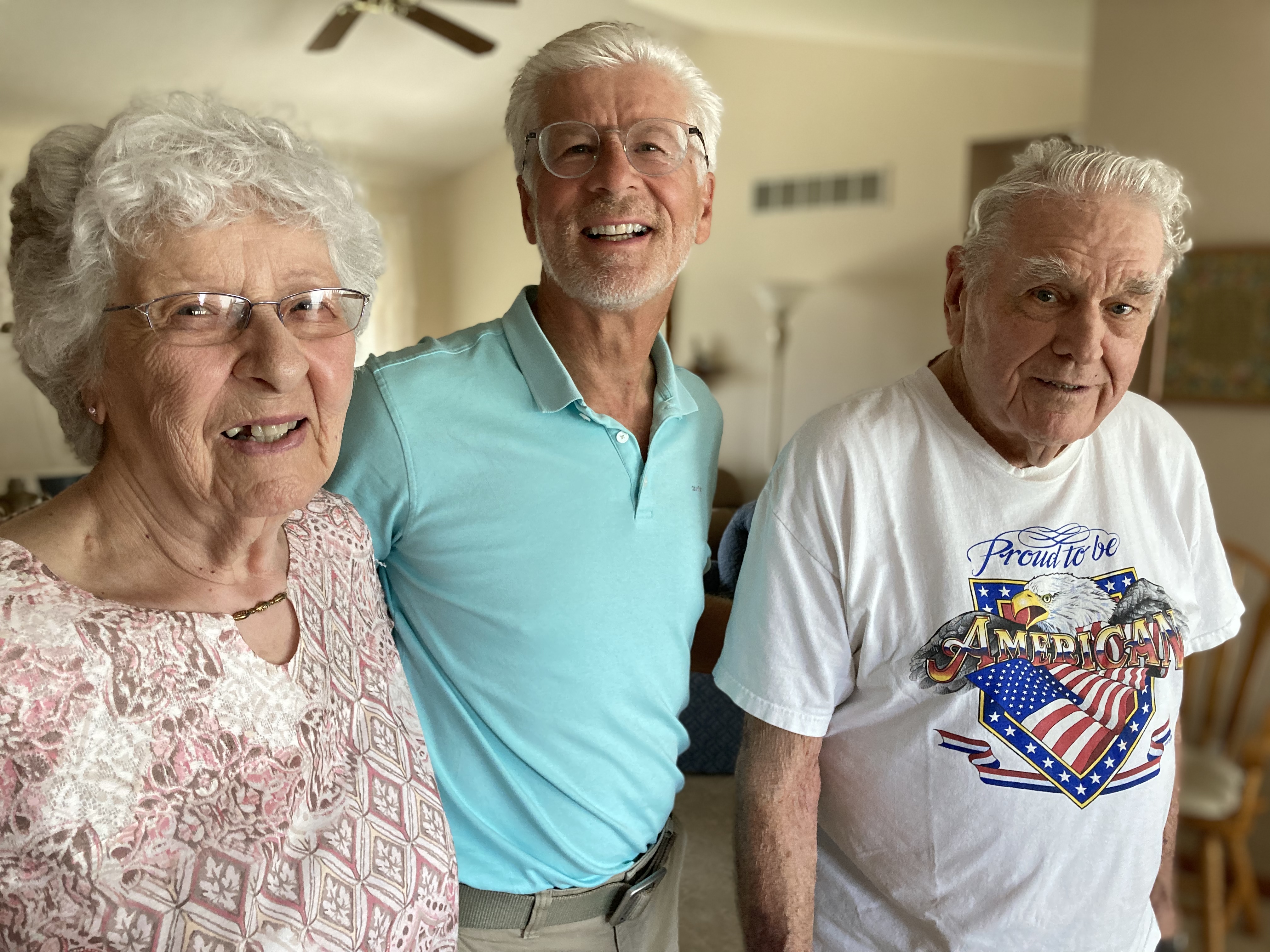
Me in the middle, with Janet and Bill in 2021.

When my grandmother died in 1979, I drove my young wife and one-month old son from our home in Nashville, TN to the funeral in Wisconsin. Grandma was young enough to have a large funeral, just 72 years old. My age.

Of course, in Rio, WI, population 788, funerals were as big a social event as Friday night football at the field in Fireman’s Park. I didn’t play football. I ran cross country instead, which I convinced myself was harder.

But I was at the football games, either running the sideline keeping stats, or in the stands playing “CHARGE” on my trombone.

After grandma’s funeral service at Redeemer Lutheran, one of six churches in town – equal to the number of bars – everyone gathered in the church basement for a lunch prepared by women of the church. Because the meal was free, and there wasn’t much else happening in town that day, the room was crowded.

My wife was most concerned with the one-month old son not accustomed to the noise and crowd and whose only real concern was keeping his tummy full and his diaper dry. So, he started fussing and wailing and that’s not the sound you want to hear piercing the din of chattery family members chowing down on store bought dinner rolls filled with a slice of ham and a slab of butter, potato salad and red Jell-O with marshmallows.

Suddenly, from across the entire fellowship hall, packed hip to hip at the folding tables, my aunt Janet yelled, “Give that boy some titty!”

Now, in another context other than a rural Wisconsin farming community, that comment might have seemed out of place, even impolite. Certainly it caused all the blood in my wife’s body to flush to her toes and then recongregate in her face, making her flush a brighter red than the Rio High School Vikings mascot. But, it also gave her the freedom to excuse herself, find a quiet Sunday School classroom, and take care of our son’s immediate need.

Aunt Janet died this week, at age 91. She was my mother’s last surviving sibling and mom preceded her in death by 29 years. They were two of eight siblings, prompting my grandpa McFarlane to say he had “Two and a half-dozen children.” When grandma McFarlane died, petty sibling grievances broke familial bonds and later on, as one sibling after another died, obituaries did not list all surviving family members, as if they never existed.

But Aunt Janet was always a friend, in part due to the loquacious character of her husband, Bill, a former police officer and much longer a seed corn salesman who knew every farmer and what they needed most. Bill preceded her in death by three years.

I confess Janet’s was the first bare breast I ever saw, as I stood wide-eyed at age five while she fed her first born son, Mark, a man who grew up to be a Presbyterian pastor, nurtured as he was on the milk of human kindness. He could preach from I Peter 2, “Like newborn babies, crave pure spiritual milk, so that by it you may grow up in your salvation.”

Janet and Bill had five children and 10 grandchildren and money never flowed like water over Niagara. Janet always put her hand to the wheel to find additional resources, driving school bus for more than two decades and making wedding cakes for lucky brides and grooms.

She looked at driving bus as ministry, taking the opportunity to offer a bright, encouraging word to children with dour faces, lifting heavy, reluctant feet up the step on the way to school.

She was certain of opinion and ready with advice.

When Janet learned my cousin Allen smoked, she asked if he would rather kiss a girl or an ashtray. Allen, sarcastically defending his nasty habit, told me he responded “Ashtray.” He’s since grown beyond that – both in girls and habit.

 Janet and Bill built a house on a hill overlooking that of her mother Eva and she was diligent in looking after her mother to the end. Eva –my grandmother on my mother’s side – expressed concern that bad weather would limit the size of her funeral. She was mentally comparing her eventual celebration to the big crowd that showed up for her husband’s sendoff. In her mind, her funeral would suffer by comparison and somehow that would reflect negatively on her life.

Though such comparison is a false equivalency, if every person whose life Janet affected positively were to attend her funeral, ushers will need to bring in extra chairs.

Don’t be like my dad

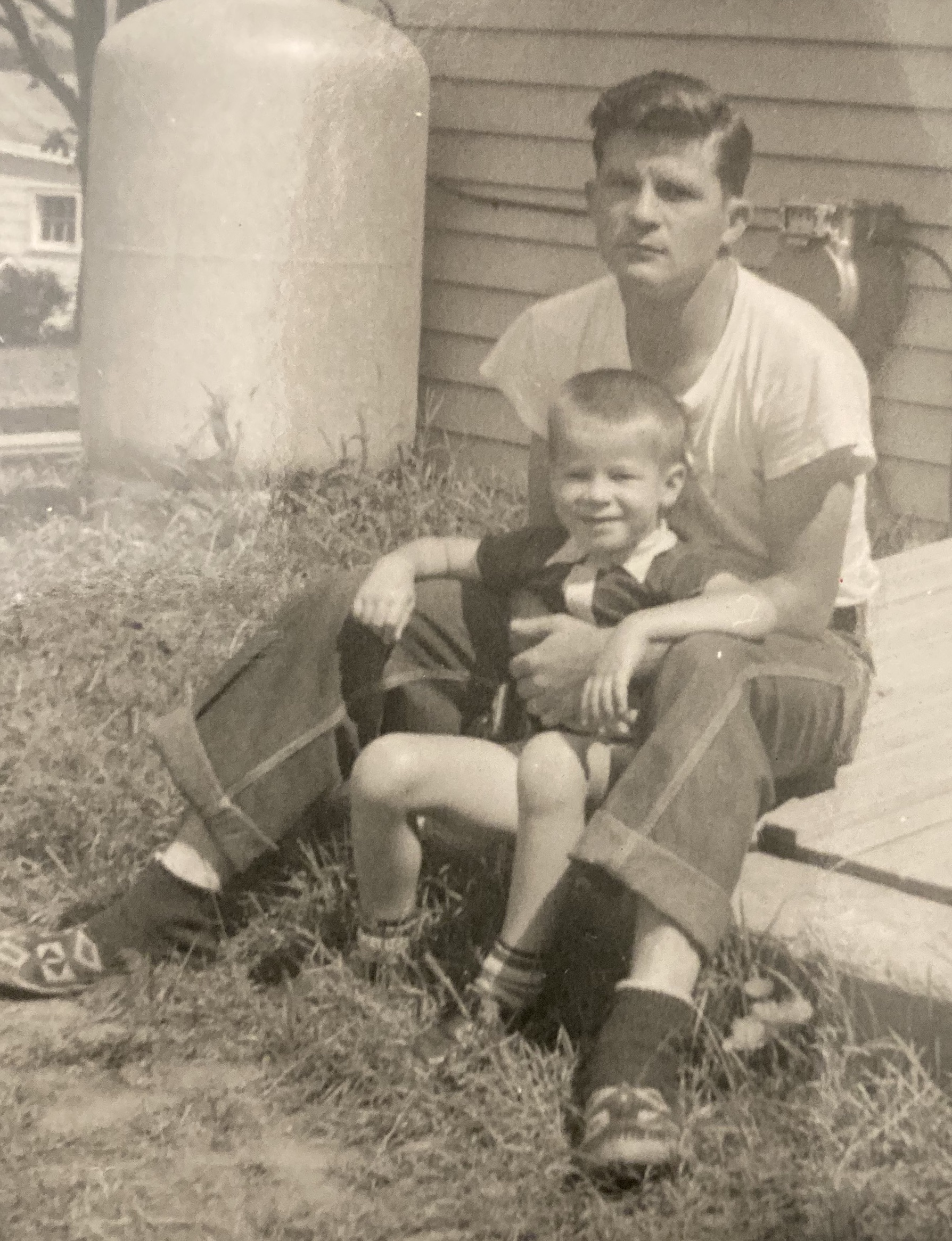
Dad and me around 1956.

Over a breakfast of toast, fruit and eggs plucked moments earlier from the coop next to the house, my wife said I’d given her too much food. She was stirring her eggs about like a kid wishing lima beans to disappear.

“Just eat what you want, dear,” I said. “Don’t be like my dad.”

My dad, Marvin. Gone now for seven years. A child of the Depression, frugal to a fault. As a young man, he worked two and three jobs to buy groceries for his wife and three children, ages four to infant, living in a 19-foot trailer. He loathed the idea of “wasting” a single morsel of food well into his prosperous 80s.

Dad cleared his plate, no matter how miserable those last forkfuls made him feel later, especially if it was a restaurant meal for which he paid. I never understood it.

“Dad,” I’d say. “Don’t let some anonymous cook in the kitchen determine how much you’re going to eat, and how you’re going to feel afterward.”

Dad and me in 2015. He died in 2017.

But the thought of sending food back to the kitchen or down the disposal was anathema to dad.

Immediately after I told Sue Ellen, “Don’t be like my dad,” regarding his relationship with food, Newton’s third law of motion kicked in and brought an “equal and opposite reaction.” I thought of so many ways I would want my wife, my children, myself and anyone else to “be just like my dad.”

Dad was devoted to his family, teaching us to work by example, never complaining about his long hours. He stretched his finances to buy “the old Peterson place on County B” with 80 acres of farmland and an acre of lawn and outbuildings. On and off he tried raising steers, pigs and chickens to supplement his income driving a fuel truck among farms in four counties.

We mowed the grass, tended the large garden, fed the animals and picked stones from the fields that the annual freeze and thaw pulled to the surface. A big bellied wood burning furnace in the basement heated the old farm house so each Fall we gathered fuel from the woods.

He loved my mother in obvious ways, not afraid to hug, kiss and be silly with her in front of his children. My most poignant memory is of dad kissing his hand and laying it against the cold glass window as the ambulance carried her body away from the house, when she succumbed to cancer. He never got over her.

Dad’s reputation as an honest man was unassailable. He gave up the gas truck to manage the local farmers’ cooperative store, while also being treasurer of the local credit union, before computers. He had an amazing mind for numbers, though he never graduated high school.

He left home at 14, riding his bike to a neighboring town to live with his teacher aunt and attend school. But the lure of earning money to drive a dump truck for the county proved more attractive than another day in the classroom.

Yet, when i showed academic promise, dad instilled in me an assumption that i would become the family’s first college graduate.

Dad held opinions about things, but he easily relinquished defense of those opinions rather than stress a relationship.

I never heard him or mom exchange a cross word.

I could go on. Every Christmas I remember how he accidentally shattered my myth holding about Santa Claus. That fall he’d given me a football, just out of the blue. Dad never played organized sports, but we tossed the ball around a time or two.

That Christmas when i opened up my gift of a basketball, he took it, rolled it about in his hands, and said, “Do you remember the football I gave you?”

I nodded of course.

“I got this basketball at the same time.”

Fantasy fractured. St. Nick deconstructed.

But from that seed of myth, cracked open with the hammer of reality, grew over decades a sapling of hope, that one day, i could be like dad.

You’re Faster with Mile Stones

Driving expeditiously through the mountains suddenly seemed dangerous to my wife. “You’re going awfully fast,” she said. I checked the speedometer and I was well within the limit.

I don’t like to zip too quickly through that beautiful section of I-40 where North Carolina melds into east Tennessee. The panorama of mountains, with curvy roads and old forests crowding the tarmac merits a pace that allows an appreciative glance.

On this day, with restraining fences guarding against rock slides, encroaching trees, road warning signs, curves racing toward us and big trucks sliding behind me on the right, it seemed we were going faster than we were.

I recalled opposite days in 1974 when the national maximum speed was 55 mph in an effort to conserve energy. We lived in northern New Mexico and driving south to Albuquerque through a featureless landscape at 55 felt like standing still.

No geographic feature came toward us, no tree, no hill, no building. Road signs were rare because there was nothing to announce, no blind curve to warn against, no upcoming attraction. Just a straight ribbon of tarmac and sand minute by agonizingly slow minute.

A featureless landscape makes a journey seem slow. When elements natural or manmade come zipping at you, those landmarks make it seem you’re traveling much faster because you have them to measure your progress against.

School years once were that for us. The year moved in cycles, sometimes scattering about during the summer, but it always gravitated back to center just before Labor Day when the new school year started. School events dictated our calendar: teacher work days, holidays, test days, athletic competitions, performances. Christmas arrived with a sense of relief, tempered by the overhanging dread of first semester finals coming in January.

Then spring semester, Easter, class trips and anticipation of summer vacation.

When the last kid graduated from high school and the dog died, we were empty nesters for sure, no longer having to pretend we were napping on Sunday afternoon. College calendars and laundry drop-off visits kept some semblance of school year cycle going, but faintly.

Now, with the youngest in his 40th year, the calendar meanders, notable less for school events than for Social Security deposits and planning for winters in Florida.

I asked my dad when he was about 80 if days seemed to drag at that age. He shook his head and said every day flies by faster than the one before it. That puzzled me. Now I realize he had landmarks speeding toward him that I’d not considered: Breakfast, a good bowel movement, lunch at Karen’s, the local diner, cards with friends or the wife, doctor visits, driving a widow to the grocery store, a leadership meeting at Redeemer Lutheran, maybe a call from his daughters or his favorite child, a show on TV and hopefully a good night’s sleep.

 Those aren’t the landmark anticipations of the young whose life careens toward them hard around every corner with ever increasing opportunities and expectations. But they are the elements that mark progress of a life traveling confidently toward a destination of which he is sure.

Be a spark or get tossed

Sometimes we get into a cleaning, sorting, trashing, unloading kind of frenzy when we’re feeling burdened by stuff and stuff’s attraction, demands, care and maintenance. 

When Sue Ellen hits full frenzy fury, I chain myself to a post to make sure I’m not tossed into a box subconsciously labeled “of no further use,” or as an item that “no longer sparks joy,” in Marie Kondo’s terminology. 

Some few things have outlasted every purge in our 44 years together. Thankfully, I’m one of them. 

But this week Oskar died. 

Oskar was a small food chopper and came as a wedding gift in 1975. It endured several super glue fixes in recent years before finally throwing up its blades and sighing, “Please no more nuts, carrots, celery for salads, or styrofoam bars to make snowflakes for kids’ plays.”

When we think of “things” that have lasted the duration of our lives together, now that Oskar is gone, we can name three. 

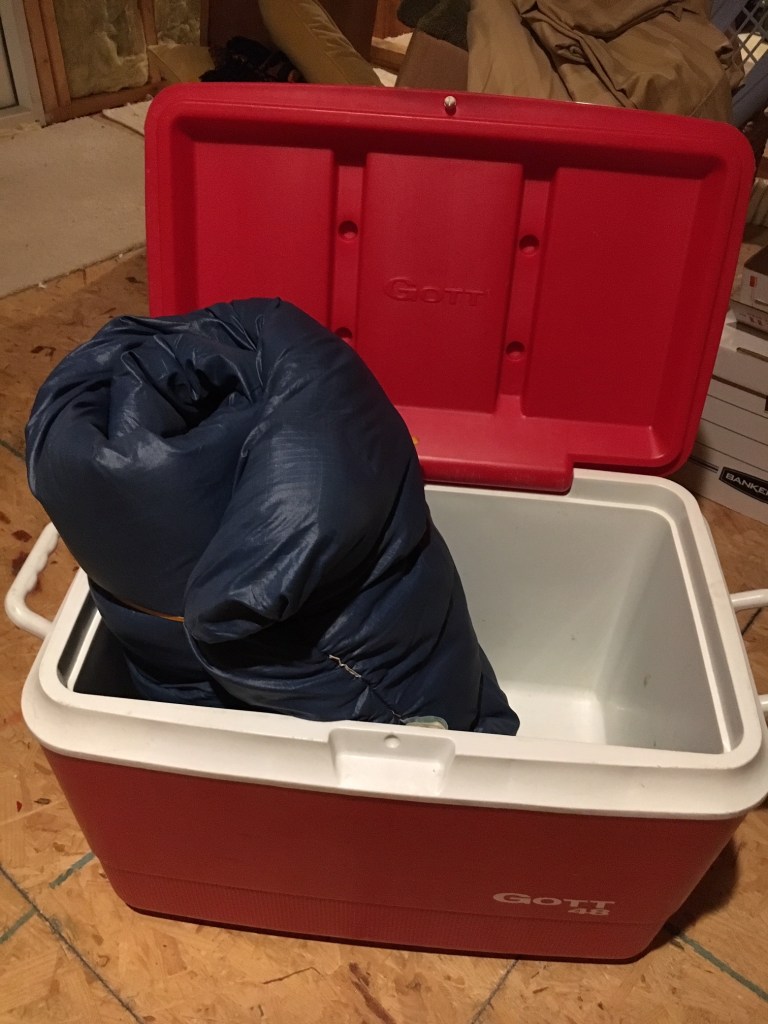
First is a sleeping bag I bought when I got out of the Army. Mine was to be a wild and free life after the olive drab constraints Uncle Sam put upon me. That sleeping bag, and a tent that turned out to be a portable rain forest, so impermeable it turned my moist breath into morning showers, along with a 1964 International Scout that had a mind of its own, were my tickets to adventure. 

I still use the bag. 

We married while I was still finishing my degree at Oklahoma Baptist University. Summers were stifling and neither our apartment nor our car had air conditioning, so we bought a Gott cooler and a bigger tent and spent many weekends at the lake. 

We still use the cooler

It often carries goodies as we travel to see our children, none of whom were conceived at the lake. Every time we pack it up, I marvel that it has been with us for so long. Yet, it still regulates the temperature of the items it contains, like the thermos I once gave a secretary. When I saw her using it the next day she told me she appreciated its capacity to keep hot things hot and cold things cold. 

I asked her what she had in it today. “Coffee and a popsicle,” she said. 

Sue Ellen was just 20 when we married. She worked at a bank and had her own apartment after moving out from a home with six siblings, and had neither time nor money to accumulate much of a trousseau. But she had started her dish collection of the then popular Yorktowne pattern from Pfaltzgraff. 

For 21 years, these were our “good” dishes, pulled out to impress company and only after the kids were old enough to know dishes were not suitable as heavy Frisbees. When my mom died we inherited her china, which became our company dishes, and the Pfaltzgraff became our everyday dishes. 

Funny how the exceptional loses its aura when pressed into common use. 

The Pfaltzgraff is heavy, and hard to spell. We can always peg the length of a friends’ marriage within a year or two if they feed us on Yorktown pattern Pfaltzgraff. 

Sometimes we look at new dishes, brightly colored, modern patterns, disposable. They might brighten up the kitchen table and provide a fresh perspective. But, they wouldn’t hold our food any better.

I confess I hold this feeling much more closely than does my wife, but there is something endearing and enduring about the consistency of an everyday implement that has been part of our lives together – every day. Not temporary, not disposable. Just consistent. Present. Available. Useful. Non-demanding. 

There is a fourth thing that we brought to our marriage, but it is more intangible. We each brought a part, insufficient of itself, but required for the whole – like the final spark plug required to make a dead engine roar to life. 

That, of course, is love. Our love for each other, a love we thought fuller and richer in the first blush of our infatuation than ever known by previous humans. Yet, it has grown with time into intimacy, interdependence, tolerance, forgiveness, adoration and the mystery of oneness into a force to overcome many an onslaught. 

When my mother died in 1996, my dad stood in the window as the hearse pulled away, kissed his hand and put it to the glass. I know our birth canal opens toward death, but dad’s slide toward the inevitable started in earnest that day. Losing mom wasn’t just grief for dad. It was an amputation. 

They had been married 47 years. I’m older than dad was at mom’s death and when I survey my environment, the accumulation of things around me and consider those few things that have been with Sue Ellen and me our entire lives together, it’s easy to dismiss the sleeping bag, the cooler and the dishes. 

The one constant that matters for 44 years has been my partner, my heart, my life. We’re closer now to the end than to the beginning, but every day still dawns a treasure. 

Happy anniversary, Sue Ellen.