Hope vs. Trust

I love grass.

Not the kind you smoke, the kind you mow.

The kind you walk through barefoot, even better when it’s wet, that transmits through your toes memories of being five. The green carpet you admire from your porch, and your neighbors view with jealousy from across the street.

The kind little kids roll in when there is the least little tilt in the yard and they can flop down, twist their left hip over their right and roll toward the sidewalk, or the creek, or that pile of dog doo Fido left in your yard.

Lush, soft, green spring grass that’s an emerald mattress, teasing, welcoming you to drop to your back and identify cloud animals.

In the spring, squeeze a blade between your fingers, or gnaw it between your teeth and the cellulose blades give up a spot of juice.  Then, it seems overnight, spring turns to summer and those luscious, virile, vibrant blades turn brown and brittle.

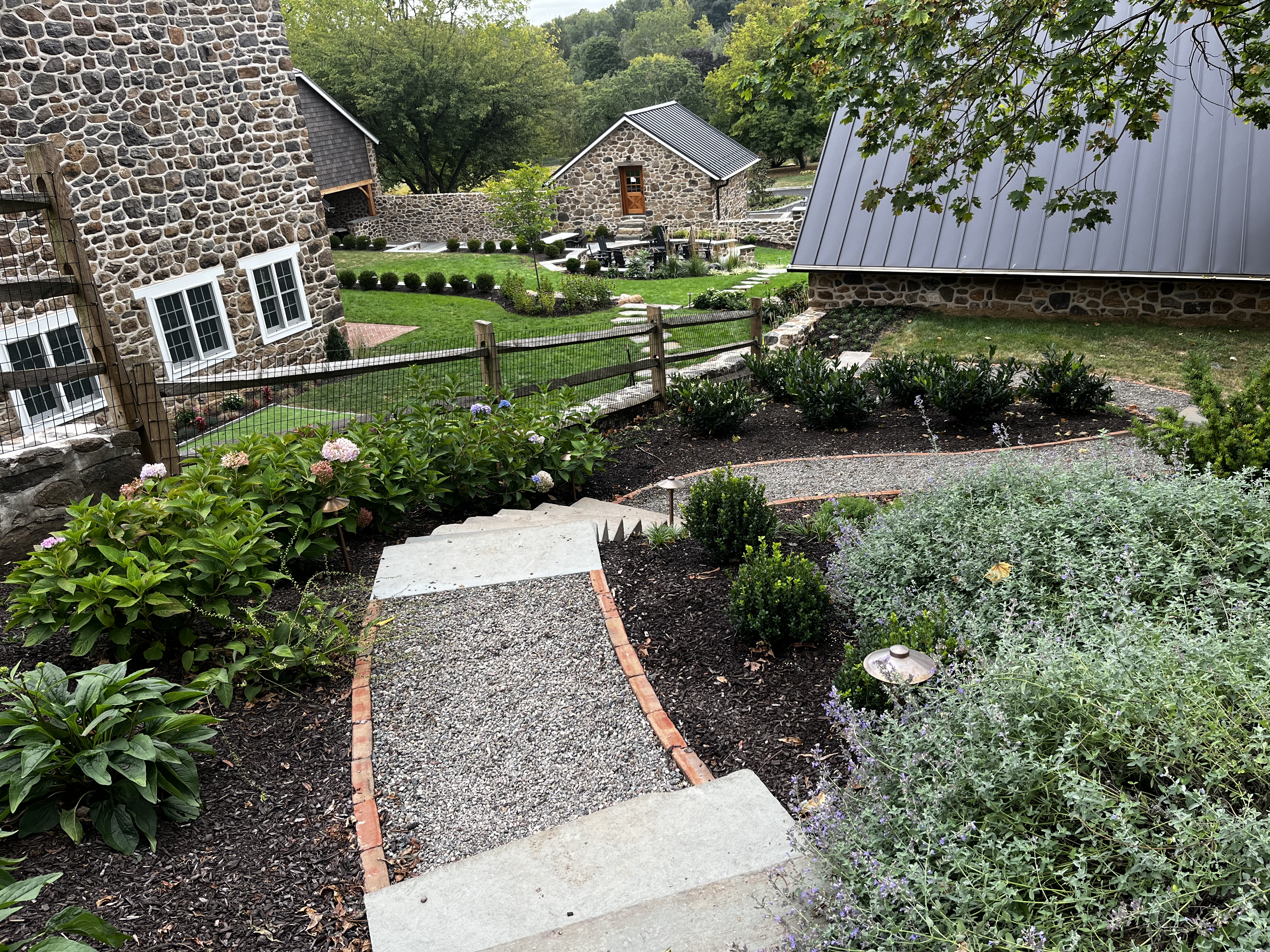
We’ve had a hot dry spell in Pennsylvania and since we put in hundreds of young flowers and other plants at White Horse Farm I was dragging hose from one spigot to the other to deliver life giving water and keep them alive. It is always a wonder of nature and the beauty of creation to see how a wilted, brown edged leaf lifts itself toward the sky after a good dousing.

But there is no amount of artificial watering with a hose over a large amount of lawn and landscaping that comes close to the benefit of a good rain shower. So, as I am dragging hose and hooking up sprinklers and spot watering with a nozzle, I’m hoping for rain.

The other day as I felt the life giving water pulse through the hose vein in my hand, I considered the weather forecast that predicted rain the next day. But it was hot and dry THIS day, and the plants were weaping, so I kept watering.

I hoped for rain. But there were no sign I could trust it would come. And I started thinking about the difference between hope and trust. Hope is a wish with no foundation of certainty. Trust is the strong handshake and steely eyed nod of a man you know is of impeccable reputation.

If hope is your team winning, trust is seeing the final score with them on top.

If hope is doing well on the final exam, trust is knowing you’ve put in the study time and have mastered the material.

If hope is that she’ll say “Yes,” trust is that look in her eye when you go down to one knee.

How often do you express the uncertainty of hope, rather than trust of achievement when questioned about something significant for your future?

“Are you going to Europe this summer?” Hope so.

“Are you going to get into Wake Forest University?” Hope so.

 “Are you saving enough for a down payment on your first house?” Hope so.

“Have the doctors identified the problem?” Hope so.

What is the difference between hope and trust, between hope and knowing? The Bible in Hebrews 11:1 equates faith with knowing: “Now faith is being sure of what we hope for and certain of what we do not see.”

My distinction here, and maybe it’s minor, is that trust begets certainty because facts, history of reliability and science taught you to expect a result. Things will or will not line up. You do have enough gas or charge to get home. Your child is where she said she would be.

Hope focuses on positive anticipation for the future. I hoped for rain, but based on the vagaries of weather reporting, our recent history of drought, and a cloudless sky, I didn’t trust it would come,

Trust assumes a certainty. I trust your word. I trust the train will arrive on time. I trust your fidelity.

I had prayed for rain, but frankly, had no faith it would actually rain that day. I did not carry an umbrella when I went to check the mail.

On sports talk radio the other day the host said he hoped the Phillies would win. He prayed they would win. “But I don’t count on it,” he said.

As a castrate Congress continues to let a lying, bloviating, clueless, self- dealing fraud run roughshod over the Constitution and laws established to limit such behavior, I hope America can survive the current administration.

But I don’t trust that it will.
Are you as good as dead?

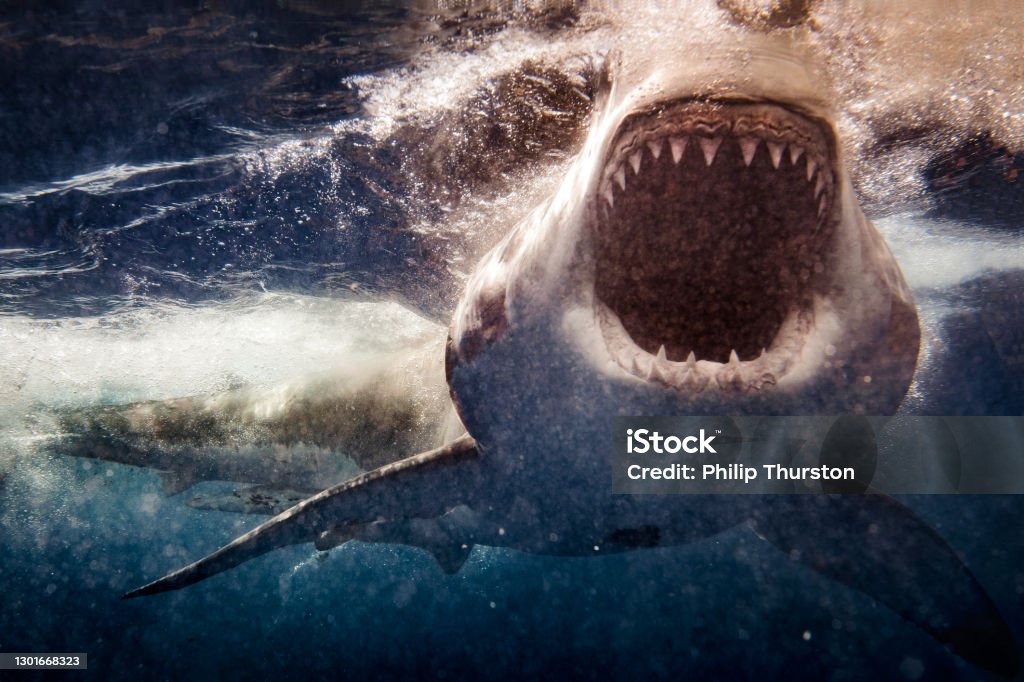
While collecting shellfish in Australia, Eric Nerhus was bitten almost in half and swallowed by a 10-foot shark.

Swimming 25 feet below the surface, Nerhus, 41, was grabbed over his head by the shark, which took half of Nerhus’ body into his mouth. He was as good as dead.

Thinking quickly, he reached up and poked the shark’s eyes with the chisel he used to collect abalone.  The shark open its mouth and Nehus wriggled out.

Nerhus estimates he spent two minutes inside the shark’s mouth and said his chest was protected from the shark’s sharp teeth by the lead-lined vest used to weight him down as he scoured the ocean floor. He swam to the surface in a cloud of his own blood, where his son helped him into the boat and rushed him to a hospital.

The 2010 movie “127 Hours” featured the dramatic story of Aron Ralston whose arm was pinned to a rock wall by a suddenly shifting boulder while he hiked Utah’s Blue John Canyon.

No matter what he tried to dislodge his arm, he was trapped. After four days his water ran out and he drank his urine. On the sixth day, Ralston realized he was as good as dead.

Then the 27-year-old mountain climber did what he’d always known he had to do, but could not bring himself to do when he thought there was an option. Using his own body weight for leverage, he broke both the bones in his forearm. Then, with his pocketknife Ralston cut off his arm below the elbow and applied a tourniquet. He then rappelled 60 feet to the canyon floor and started walking.

He walked seven miles before encountering two tourists who called for a rescue helicopter.  

What’s the point?

Neither Eric Nerhus nor Aron Ralston are dead. At that point in their lives when there was no prospect for more life – when they were as good as dead – they found a way.

Ever thought you were “as good as dead?”  Or wished you were?

  • In the midst of company chaos, your boss approaches you with a grim face;
  • A truck in the approaching lane veers into yours;
  • You discover your father’s debilitating illness is hereditary;
  • At a conference in his office, your docor leans forward and says, “I’m sorry.”
  • Your job loss has led to anxiety, depression and a mortgage foreclosure;
  • You face an impossible financial burden to make good for a child’s accident, illness or bad mistake;
  • A dark secret you’ve carried is suddenly revealed.

Jesus’ friend Lazarus was not only as good as dead. He WAS dead. Then Jesus exercised his power of life over death and he raised Lazarus, demonstrating to us though we be as good as dead, we still possess the life option.

The same is true for a host of other biblical characters. Young David could have killed King Saul (I Sam. 24) when Saul was relieving himself in a cave and David crept in behind him and cut off a piece of his robe. Saul was as good as dead and didn’t even know it.

Joseph had a coat of many colors (Genesis 37), and was his father’s favorite, when his jealous brothers threw him into a cistern to die. He was as good as dead.  

Shadrach Meshach and Abednego were thrown into the fiery furnace; Daniel was tossed to the lions; Jonah was swallowed by the great fish; the adulterous woman dragged for stoning by an angry mob.

Why did God rescue them? Because God had a higher purpose for their lives and something in that near death experience equipped them for that purpose like nothing else could!

Your faith isn’t feeble in the face of life threatening odds. It’s most flaccid when you operate only in the realm of your own abilities, when you’re deluded enough to think you can “do it yourself.”

My favorite traditional hymn is “A Mighty Fortress is Our God.” Verse two says, “Did we in our own strength confide, our striving would be losing.”

Remember, when your dreams and promises appear to be as good as dead – yet they breathe. Aron Ralston wandered out of the dessert after cutting off his own arm. Eric Nerhus fishes again. Childless Abraham, whose body the Bible says was as good as dead, became the father of a nation.

Senior adult groups have many adorable names. One of my favorites is the ADY – Ain’t Dead Yet – Club. Circumstances may conspire to make you feel you’re as good as dead, but guess what.

You Ain’t Dead Yet.