The day I turned old

I turned old on August 30, 2025. I know the day. And the hour. And the moment.

No wonder the young lady stood to offer me her seat.

For much of my life, I looked younger than my age. I was a husband, father, and owned my second house before I shaved every day.

About age 26, I was in the barber chair with my hair wet and glasses off and my wife walked in, ready to take me home when I was finished, since we managed with one car. The barber noticed that she caught my eye, and asked, “Is that your mother?”

Later we listed some furniture for sale, some of our original “we-need-something-and-this-will-do-until-we-have-money,” pieces. A college girl called, said it would be perfect for her dorm, and arranged a time to come pick it up.

When I answered the door, she looked at me and asked, “Is your mother home?”

To say I was devastated is to say the Johnstown Flood was a trickle. I was floored. It took me days to get over it. Evidently, I still haven’t.

I was a college graduate, Army veteran, working a professional job with national connections and a college girl sees me in my Saturday morning T-shirt and jeans and asks if my mother is home.

I told her my mother lives in Wisconsin, 640 miles away, but if she’s here for the furniture, I can help. And then my wife picked me up off the floor.

Eventually, the sirocco winds of life aged my face, bleached my hair to arctic blonde and added enough wrinkles that I didn’t have to say, “No, really” anymore when my age came up.

My oldest son shares some of my facial features and when I’m introduced as his father, his friends invariably say, “I could’ve guessed.” I keep hoping one day someone will mistake me for his older brother.

Which brings me to the fateful day when the harsh reality of simple observation by a stranger shattered the mistaken impression that all the mirrors in my house are broken. I walk past a mirror, see the image it reflects, and I know that grizzled face can’t be me.

And yet.

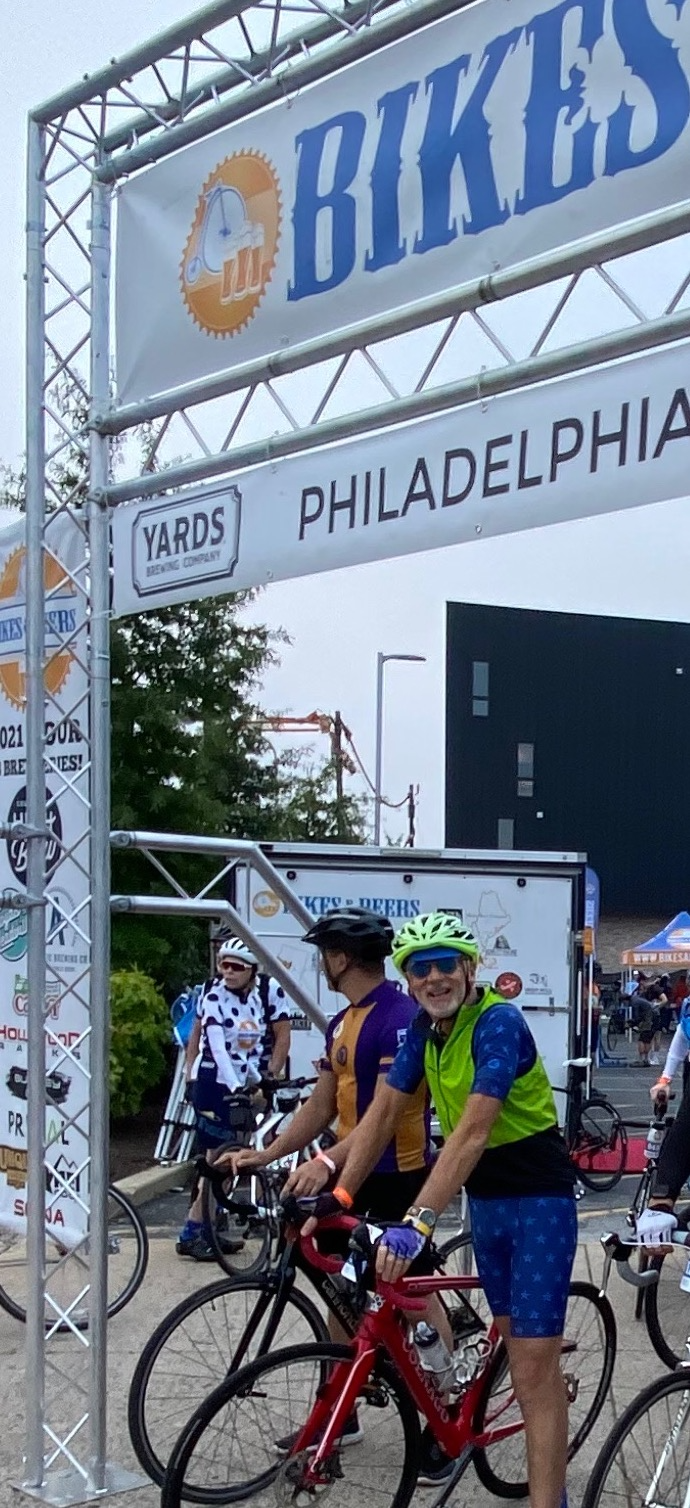
In Budapest, Hungary at the beginning of a Danube River cruise taken to celebrate the 50th anniversary of marriage to a beautiful woman I had bamboozled long enough to convince her to marry me, the curtain came down on my illusion.

I stepped onto a tram car and a young woman stood to offer me her seat.

Glass shattered. Ego crumbled. Humility fallen over my shoulders like a granite yoke.

I implored the innocent to return to her seat. Over a language barrier, my pleading eyes, exasperated face and arm motions made my intention clear. “Please. No. Take your seat. ARRGGG.”

She politely declined, and I resolutely remained standing, amid the laughter of our traveling colleagues.

The insult of reality was exacerbated the next day when on a similar tram, my wife was warned that a conductor was on board and was checking tickets. In Budapest persons over age 65 ride public transportation free.  The local was kindly warning my wife that she needed a ticket.

Sue Ellen graciously informed her that she didn’t need a ticket, because she was 70. To which the kind commuter expressed astonishment, of course.

She then looked at me, seeing I was with Sue Ellen, and I swear I heard her ask, “Is that your father?”


‘/

Going to need extra chairs

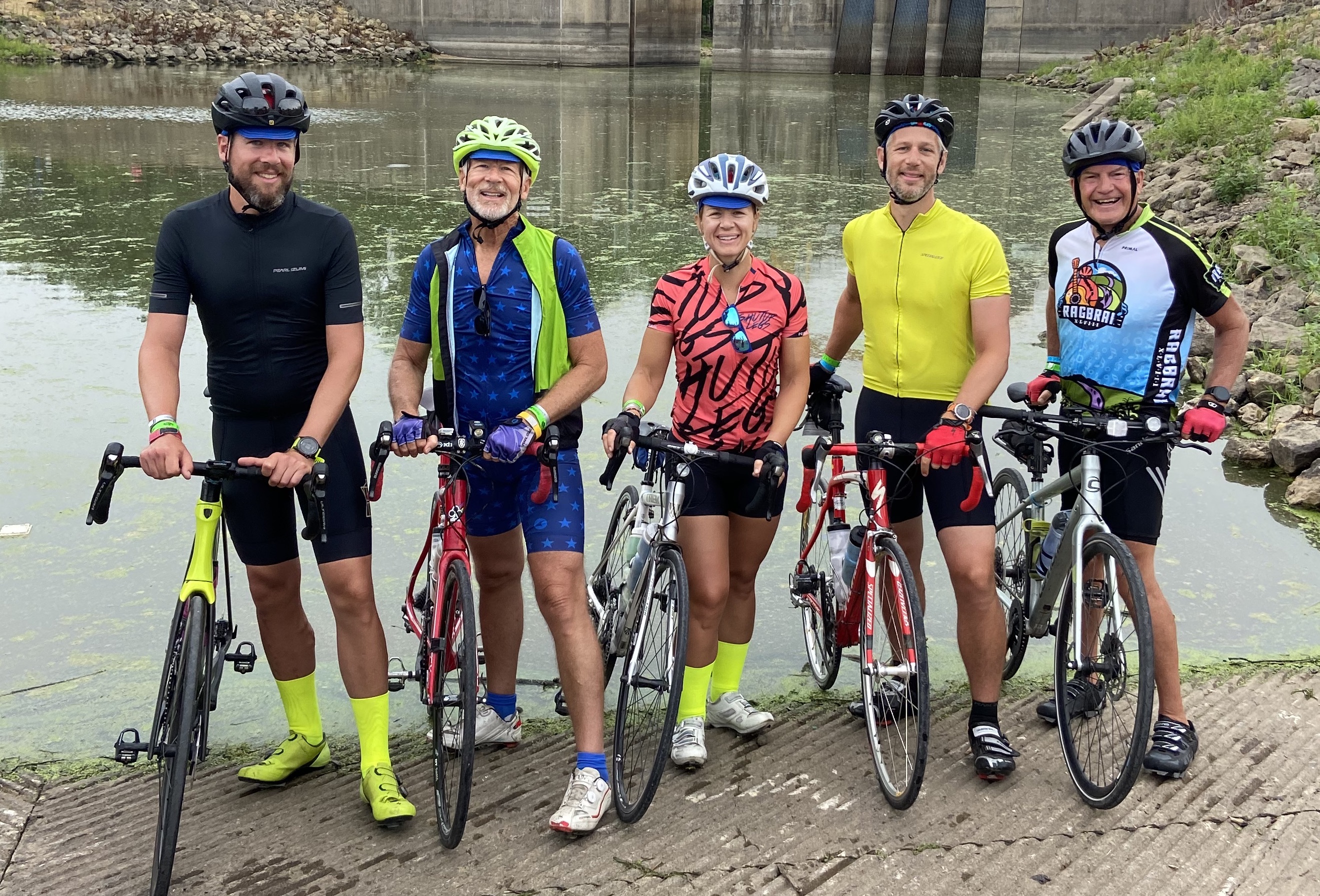
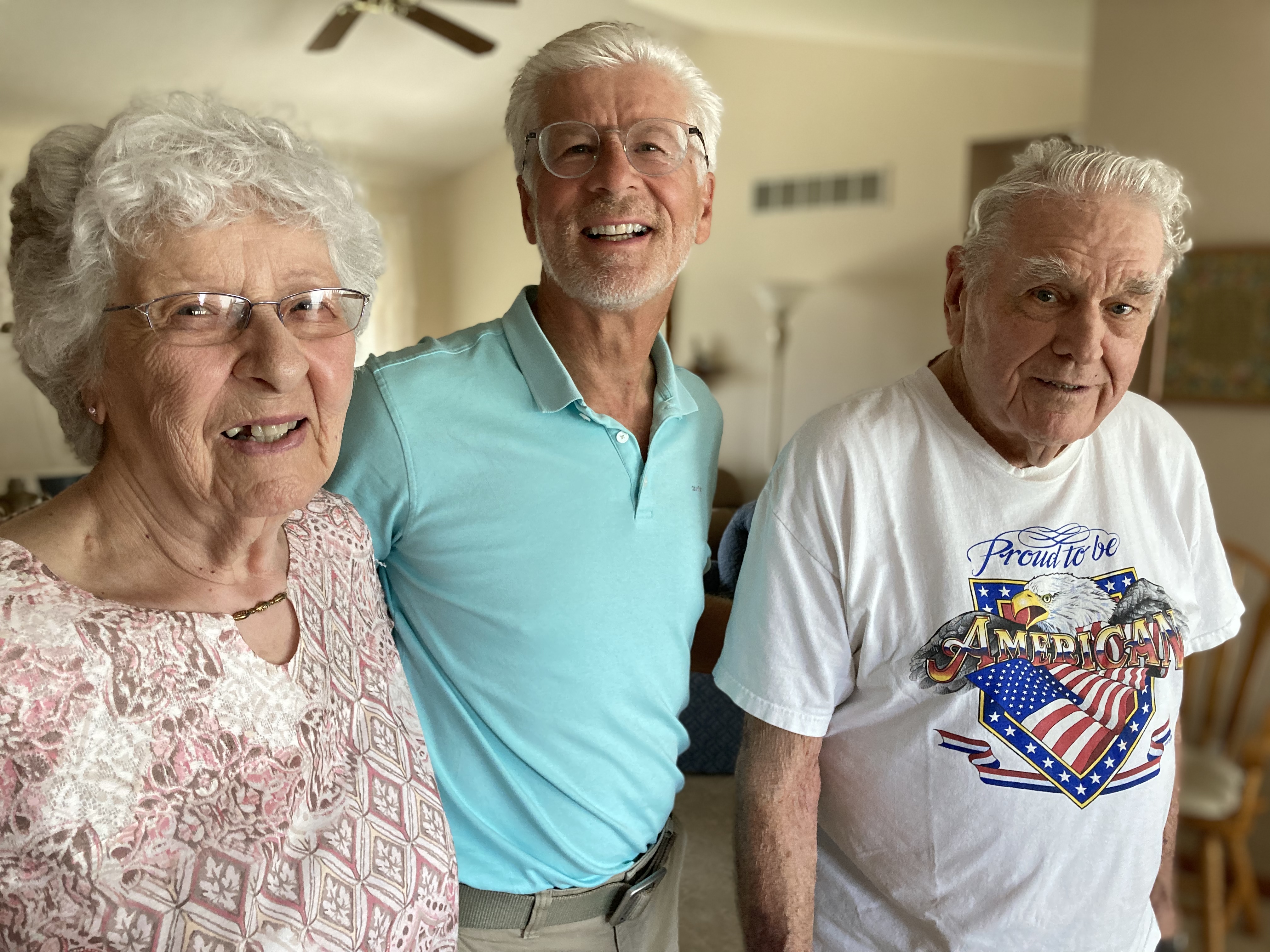
Me in the middle, with Janet and Bill in 2021.

When my grandmother died in 1979, I drove my young wife and one-month old son from our home in Nashville, TN to the funeral in Wisconsin. Grandma was young enough to have a large funeral, just 72 years old. My age.

Of course, in Rio, WI, population 788, funerals were as big a social event as Friday night football at the field in Fireman’s Park. I didn’t play football. I ran cross country instead, which I convinced myself was harder.

But I was at the football games, either running the sideline keeping stats, or in the stands playing “CHARGE” on my trombone.

After grandma’s funeral service at Redeemer Lutheran, one of six churches in town – equal to the number of bars – everyone gathered in the church basement for a lunch prepared by women of the church. Because the meal was free, and there wasn’t much else happening in town that day, the room was crowded.

My wife was most concerned with the one-month old son not accustomed to the noise and crowd and whose only real concern was keeping his tummy full and his diaper dry. So, he started fussing and wailing and that’s not the sound you want to hear piercing the din of chattery family members chowing down on store bought dinner rolls filled with a slice of ham and a slab of butter, potato salad and red Jell-O with marshmallows.

Suddenly, from across the entire fellowship hall, packed hip to hip at the folding tables, my aunt Janet yelled, “Give that boy some titty!”

Now, in another context other than a rural Wisconsin farming community, that comment might have seemed out of place, even impolite. Certainly it caused all the blood in my wife’s body to flush to her toes and then recongregate in her face, making her flush a brighter red than the Rio High School Vikings mascot. But, it also gave her the freedom to excuse herself, find a quiet Sunday School classroom, and take care of our son’s immediate need.

Aunt Janet died this week, at age 91. She was my mother’s last surviving sibling and mom preceded her in death by 29 years. They were two of eight siblings, prompting my grandpa McFarlane to say he had “Two and a half-dozen children.” When grandma McFarlane died, petty sibling grievances broke familial bonds and later on, as one sibling after another died, obituaries did not list all surviving family members, as if they never existed.

But Aunt Janet was always a friend, in part due to the loquacious character of her husband, Bill, a former police officer and much longer a seed corn salesman who knew every farmer and what they needed most. Bill preceded her in death by three years.

I confess Janet’s was the first bare breast I ever saw, as I stood wide-eyed at age five while she fed her first born son, Mark, a man who grew up to be a Presbyterian pastor, nurtured as he was on the milk of human kindness. He could preach from I Peter 2, “Like newborn babies, crave pure spiritual milk, so that by it you may grow up in your salvation.”

Janet and Bill had five children and 10 grandchildren and money never flowed like water over Niagara. Janet always put her hand to the wheel to find additional resources, driving school bus for more than two decades and making wedding cakes for lucky brides and grooms.

She looked at driving bus as ministry, taking the opportunity to offer a bright, encouraging word to children with dour faces, lifting heavy, reluctant feet up the step on the way to school.

She was certain of opinion and ready with advice.

When Janet learned my cousin Allen smoked, she asked if he would rather kiss a girl or an ashtray. Allen, sarcastically defending his nasty habit, told me he responded “Ashtray.” He’s since grown beyond that – both in girls and habit.

 Janet and Bill built a house on a hill overlooking that of her mother Eva and she was diligent in looking after her mother to the end. Eva –my grandmother on my mother’s side – expressed concern that bad weather would limit the size of her funeral. She was mentally comparing her eventual celebration to the big crowd that showed up for her husband’s sendoff. In her mind, her funeral would suffer by comparison and somehow that would reflect negatively on her life.

Though such comparison is a false equivalency, if every person whose life Janet affected positively were to attend her funeral, ushers will need to bring in extra chairs.

Carting away your history

Strangers carted away my friend’s history yesterday, piece by piece.

An auctioneer’s singsong cajoling held Dave’s life up for examination and bid. Chains, tractors, implements, house furniture, fuel tanks, rakes and hoes all appraised unemotionally for their “value” by area farmers hoping to find a deal, make a steal.

Dave’s farm, eight curvy, hilly miles from any main road, looked like a Ford dealership, as 120 trucks – at least 100 of them Ford F150s, 250s and 350s – parked nose first along the edge of the cornfield like piglets nursing. Amish neighbors in their round straw hats parked their buggies in the yard, and tied their horses to a shade tree. An early morning deluge left the grounds muddy but didn’t discourage potential buyers from picking at the accumulated instruments of Dave’s farming life.

Dave is in the second year of an ALS diagnosis and at age 72 he’d decided to sell the farm where he’d lived 46 years, raising his three children in a Trumanesque environment in rural Pennsylvania.

He is slowly losing muscle strength everywhere but in his smile.

When major items like his John Deere tractors didn’t sell for what he’d hoped, he shrugged and said, “Let’em go.” Trying to sell them on the open market later, hoping for a more equitable price, was just too much trouble to contemplate.

Dave and his dad built the house atop the hill, where his wife huddled now with a long-time neighbor to avoid seeing four decades of her life picked over, devalued and carted away. The house wasn’t quite finished in time for their first child to come home to it from the hospital. But it was finished two weeks later and she’s lived there ever since.

Dave decided to sell the house, barns and 45 acres on which he’d lived his entire adult life so that Debbie wouldn’t have to…later. Once decided, his second son, Mark, drove him through the rural neighborhood to pass out flyers announcing the sale. They left fliers with neighbors who Mark knew did not have the means as potential buyers, but he eventually realized he was driving his father around on a farewell tour.

“He just wanted to say goodbye to the neighbors he’d known for 45 years,” Mark said. When Mark realized that, he settled in and enjoyed the ritual.

The man who’d purchased the farm was present at the auction. He’d bought it for his daughter and son-in-law as a place to raise their children, in rural Pennsylvania, giving them the benefit of idyllic life in rolling hills, among Amish farmers, an area where church and school are the gravitational centers of community life.

Dave’s adult children and their spouses were present and helping. Grandchildren roamed through the barns for the last time, daringly climbing steep ladders to where hay once was stacked high, making sure that mom and dad saw their accomplishment. Dave’s sons recounted adventures with tractors, camping in the woods, trapping ground hogs and shooting that would make their survival a mystery.

This was their home being carted away on the backs of trucks and trailers. They weren’t sad – yet. The hard decision had already been made – to sell the farm and auction off the equipment. This was just the physical manifestation of their decision.

But, when the last cabinet was pushed into the back of a minivan; and the last tractor was loaded onto a flatbed; when the camper the grandkids slept in the night before rolled away behind a pickup, the somber reality settled over the property like an early morning fog settles into valleys.

I hugged each goodbye, Dave’s arms limp at his sides, and thanked them for including me in their family. Through thick and thin, good times or bad, through the struggles inevitably ahead, he’s my brother and the auction was another milestone toward “next.”

One is the loneliest number

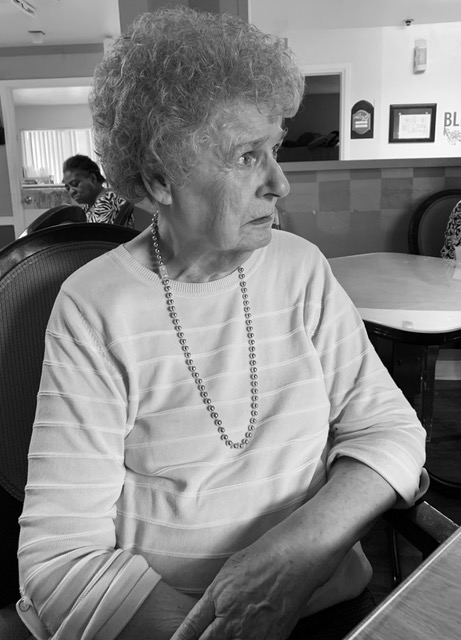
My mother-in-law, during last days in nursing care.

In August 1971 anonymous government functionaries conducted a lottery to determine the order in which 19-year-old boys would be drafted into the Army, thousands of them eventually to die in the politicians’ war in Viet Nam.

They drew my birthday first. No. 1. It was the only thing I’ve ever “won” except a case of beer at the Rio Fireman’s Picnic, and the hand of my wife. I was too young to claim the beer, and my wife was almost too young to marry.

From that day on, the musical hit “One” by Three Dog Night became the soundtrack of my life as I went off to college, hoping to get a semester in before I received my draft notice. It’s resounding assertion that “One is the loneliest number that you’ll ever do,” pounded time after time out of my reel-to-reel tape player, putting to music the angst of a life on hold.

“One is the loneliest number that you’ll ever do…

“It’s just no good anymore since you went away

“Now I spend my time just making rhymes of yesterday.”

Then the resounding, pounding refrain:

“One is the loneliest number

“One is the loneliest number

“One is the loneliest number that you’ll ever do.”

Every time that song surfaced on the radio or in sequence on my Three Dog Night album, I sank emotionally. No. 1 in the lottery. Draft certain. One is the loneliest number. The saddest experience.

Thoughts of “one” and being alone jumped at me recently while I stood in line for a table at southeastern America’s food oasis, Cracker Barrel. It hit me when the hostess asked the lady ahead of me, “How many?” and she responded, “One.” The loneliest number.

A sudden sadness for her and others being alone hit me like a gut punch through a curtain of memory.

One is the loneliest number that you’ll ever do.  And it’s a growing trend in America. We’re in an epidemic of loneliness. It’s not just aging widows and widowers. It’s younger people isolated by screens who possess no ability to communicate with real, live people.

Lacking meaningful, human to human connection can increase the risk for premature death to levels comparable to smoking 15 cigarettes a day, according to an advisory from U.S. Surgeon General Vivek Murthy.

We once called on a young man who visited our church to encourage him to become involved. He said he walks into his apartment on Friday night after work and doesn’t leave it until Monday morning. Week after week. Crawling out to visit the single adult class we led was a major effort.

The prevalence of single-person households is unprecedented historically,  rising from seven million to 38 million since 1960. 

I don’t equate “being alone” with loneliness or depression, but community involvement and social interaction is the leading indicator for health in senior adults. Of course many single adults lead vigorous, joyful, involved lives and God bless them.

It’s just that as I approach my 48th wedding anniversary I know the deep satisfaction life with a loving partner brings. I think of the shared joys, sorrows and triumphs of raising our three children, and of their loving spouses and our seven grandchildren. I would wish that common good for anyone.

Beyond that, what are the implications for a society in which so many of its members live as single, unaffiliated, isolated souls? Think – as I’m sure they are – of long term health, housing, community, end of life?

And yet, one out of four of today’s 50-year-olds will have been single their whole lives. Never married, never partnered.

Social isolation is associated with a higher risk of dementia and other serious health problems in older adults — while having positive social relationships can help people live longer, healthier lives.

In other parts of the world, nearly four in ten older adults live with extended family, an arrangement that mitigates aloneness. But older adults in the U.S. rarely live with family. 

Our culture almost demands we go it alone, that we not “need” anyone or anything. Yet that is not the preferred condition of most single adults I know.

And when the person ahead of me is asked, “How many?” her “One,” sounds like the saddest experience she’ll ever do.

“I never thought about it”

Much of the remodeling and landscape work on my son’s renovation of a 200-year-old house and barn in Pennsylvania is being done by Amish. Their work is exemplary, consistent and dependable.

Amish settled in southeastern Pennsylvania in the 1720s, leaving behind in Europe the persecution of their “strange” and separatist beliefs. Amish emphasize humility, family, community and separation from the non-Amish world, which includes a reluctance to adopt modern conveniences such as cars and electricity.

The Pennsylvania Amish community in Lancaster County is the largest in the United States, numbering about 30,000, double its size of 20 years ago. They’re distinctive for their simple dress, beards, bonnets and horse drawn buggies.

We wanted to give visiting relatives an authentic Amish experience, without being “ugly Americans” who gawk or get our legs caught in tourist traps that exploit this set apart people. So, who better to ask for advice than Aaron, a white bearded, retired farmer now working for his son’s landscaping company on our project.

To my delight, Aaron suggested simply that if we wanted to experience Amish life in Lancaster County, “Come to my farm. I’ll show you around.” We made a date two weeks hence.

I texted a couple days before the appointment and was concerned that I didn’t hear back. But on a beautiful fall afternoon we pulled into his manicured yard and Aaron and Barbie, his wife of 40 years, appeared immediately. Since they hadn’t heard from me, they wondered if we were coming.

I mentioned the text I sent earlier. Then we both laughed. Their telephone is in a building separate from the house, to be used for business purposes only, and of course, is not mobile.

We took seats in their recently constructed house, modern and perfect in every way except that there are no electrical outlets, nor lamps, nor counter appliances, nor overhead lights. Designed to let in lots of sunlight, a propane tank on wheels with a filament bulb on a tall rod provided light when darkness falls.

A propane powered refrigerator graced the kitchen. While electricity is considered a convenience too worldly, workarounds with generators for power are apparent in the barns. Rules and restrictions governing humility and simplicity vary by area bishop.

We asked Aaron why farm implements roll on bare steel wheels, with no rubber tires. He said it’s a bishop’s rule to keep people from going fast.

Daily life is guided by simplicity and a pace slow enough to appreciate the smell of freshly turned earth or cut grass or a grandson’s grasp of your leg as you walk the fields together. No doubt outsiders romanticize these things about Amish life, but the truth is starker. Anyone dependent on modern conveniences woven so completely and unconsciously into daily life that we don’t even realize our dependence, would find it very difficult to shed them in favor of a slower, harder, more deliberate life.

For that reason, Aaron said, they do not encourage people not born into the Amish community to “convert” to their faith and culture.

As a young sharecropper, my grandfather walked behind a mule pulling a plow. But when he gained access to a tractor, he embraced the innovation and convenience wholeheartedly. Amish farmers are content with their mules. Whether tractors, telephones, automobiles or microwave ovens, they recognize that innovations do not necessarily contribute to a better, fuller, deeper life.

Sitting together in a comfortable living room, a Bible and reading glasses atop a small table by their chairs, we asked this 62-year-old couple if they were granted permission to embrace any single modern convenience – the kind of utility they see every day as they live among “outsiders” – what might it be?

Silence.

After a while I suggested to Barbie that I thought she might say “electricity.” She smiled meekly and said, “I considered that.” When pressed for his answer, Aaron said, “I’ve never thought about it.”

Whoa.

Aaron farmed 50 acres with mules, raised eight children, six of whom have 33 children, raises dogs and tobacco for extra income, gave the farm to a son and now works another son’s landscaping business, is a stalwart in church and community, and he’s never thought about what mechanical, transportation, electrical, communication tool available to others he might like for himself?

All the while he lives among outsiders who think camping out overnight to be first in line for a new phone model is logical and that instant gratification is too slow. We’re bombarded by constant messages that we will be happier if we grasp, strive and reach for the next purchase, entertainment, or experience that will somehow endow us with the satisfaction Aaron has just by living a simple life in a caring community of like-minded folks.

“Content” is the only word to describe a man whose lifestyle barricades him against the onslaught of television and social media, who has never thought about embracing modern conveniences. He is content and committed to a way of life that is set apart, not conforming to the world. Romans 12:2 He evidently thinks about such things no more than a fish considers water.

Few modern Christians are consciously set apart from the world. Our most significant symbol – the cross – has been so co-opted and adulterated that it no longer retains significance as a Christian symbol.

Maybe that’s why we admire the simple, quiet, slow – contented – pace of Amish life.

Before I met Aaron, I’d never thought about it.

We all find security in the coop we choose

We raise some chickens on the hobby farm in Pennsylvania where we spend time with our oldest son’s family. We got them when they were too old to be called chicks and too young to be called hens. They were teenagers at poultry puberty, eating and sleeping but not producing a darn thing.

After foxes, hawks and weasels decimated our first two flocks that ran free in a half-acre pasture, we started over with this new batch from a farm that raises chicks to this level of maturity before they start laying eggs. So, they’ve navigated their brief lives in the narrow confines of a large, dark shed.

From that shed they were pulled, dropped into a big box to transport home, and then set in a coop to protect them while acclimating to new digs. And we built a small run to provide some level of protection from predators that was more than the ungirdled range of grassland occupied by their unfortunate predecessors.

When it came time after a few days to let the young birds out of the coop the strangest thing happened – or didn’t happen. They were reluctant to leave the confines of that shelter.

I thought once I opened the door they would burst out into the brave new world of open space, green grass, bug buffet and blue sky because they’d been confined to dark, confined environs their whole lives.

Instead, I realized that it is precisely because they’ve been confined in dark spaces their whole lives that wide open spaces terrified them. It took long minutes for the first curious, brave beak to break beyond the coop threshold, and hours for a chicken body to follow that beak out the door, into the pasture.

Joined slowly, tentatively, cautiously by others, they hovered in the shadow of the coop for more long minutes, barely moving a body length into what to them must have been a vast, horizonless universe of undulating grassy waves.

When I consulted on a fund raising campaign for a Boy Scout campground I was surprised to learn that boys from the inner city were terrified by the animal and insect noises reverberating through the dark night outside their tents. These boys – familiar with gun fire, street racing, domestic violence and the cacophony of inner city life – shivered and huddled in their tents, sleepless at the sound of crickets and owls in the night.

A beautiful actress I interviewed in Houston, living with a physically abusive partner, told me it’s less frightening to hear him coming up the steps, knowing he’s going to hit her, than it is to considering fleeing with her child to the uncertain world beyond their apartment door.

We are anchored to our security, the blankets under which we find comfort and assurance, even if those blankets hinder us from moving past comfort into adventure and discovery.

Michael Easter wrote about it in his book “The Comfort Crisis.” For a month he eschewed the electronic conveniences and digital distractions of his life while camping and hunting in Alaska, enduring – then appreciating – hunger, boredom and uncertainty, the very things we work so hard to avoid.

He said challenging yourself to embrace a hardship and work through it, rather than avoiding it, will help you grow.

Being alone in nature actually will help you connect with yourself and help you feel less lonely.

And, he suggests consciously ditching unnecessary conveniences that make you lazy and, ultimately, unhappy. Rather than heading for the fridge at the first tingle of hunger, skip the snack, embrace the hunger and the next time you eat an actual meal you’ll appreciate it all the more. And be healthier for it.

The first sermon I ever preached was entitled “Comfort Kills” and I implored the congregation in Shawnee, OK to step outside their comfort zone to engage those persons who were not just like us.

Be brave, I said. Don’t be…chicken.

Don’t miss it: put those memories on PAPER

Other than seven months in our second year of marriage, my wife and I have never lived closer than 600 miles to either set of parents. I grew up in Wisconsin, she in Illinois, and then Colorado, where we met.

We were faithful to stay in touch with our parents as we moved from Oklahoma, to Colorado, to Tennessee, to Texas, back to Oklahoma and then to North Carolina. Long distance phone calls were expensive so I consistently wrote weekly letters to bridge the miles and months between visits.

Each letter recorded the previous week’s events, which at our stage of life always seemed many – certainly more fascinating, important and original to us than to our families. But mom and dad always hung on every word and my mother was good to write in return.

At first, I wrote the letters in long hand, which to today’s teens is like code. Around 1980 our office moved from an exotic, spinning ball electric typewriter to early computers. Wow. The monitor itself begged me to write as it seduced me with the string of little green letters corresponding to the keys I pressed.

By the time children started arriving computers were more common and it was easier to chronicle the many initial, unique, and unprecedented achievements of Nathan, Erin and Austin – first smile, first roll over, first word, first step. I’m sure I went into detail ad nauseum. Eventually, I realized these letters were a chronos record of my children’s lives – and mine – and I started keeping four copies of every letter.

I wrote on different computers, duplicated them on various printers, was not consistent in type face, margins or paper quality. But my intention was to keep a file of these letters for each child and present them as a bound volume for a high school graduation gift – their life in print.

The books were such a hit the kids never pressed me for that new car I never offered.

They’ve used the books to reaffirm memories, to share with spouses – and eventually their children – something of their lives growing up. The first born – trying to recall for his wife his foray into independence at about age seven – rifled through the pages to the specific time he was running away from home, pulling his wagon, when I drove into the neighborhood from work, saw him and encouraged him not to be late for dinner.

Boyfriends, girlfriends, grades, sports activities, family moves, home building, job changes, awards and disappointments all are recorded in black and white in a bound volume, a ready reference for those mystical days when a fireplace, rain, wine and melancholy need a tiny, tangible toehold to step full blown into nostalgia.

Is our self-identity anything more than an accumulation of our memories?

We’ve moved a lot so to keep things simple we never clung to things. One moving team looked around our empty attic and spartan walls and said, “Mrs. Jameson, you don’t do clutter, do you.” I struggle against the tide of my wife’s tidying to cling to pool noodles of memorabilia.

Comedian Billy Crystal, in his hilarious memoir written upon turning 65, Still Foolin’ ‘Em, believes we ought to keep mementos that take us back to happy moments. Remembering them helps us to relive them, and who doesn’t like to go back to mental images that bring a smile?

The letters I wrote to my parents were subject to time, travel, USPS sorting and handling machines, the vagaries of weather, transportation and distribution. But each was a package of joy upon arrival.

Great historical biographies have been written based solely on the written correspondence to and from the subject. I join the chorus of lament that this kind of communication no longer is in vogue. It’s a lost art; a neglected source of historical reference, of anchors to memory.

My children have asked me to write letters to their children celebrating certain occasions, passages into “adulthood,” or encouragement in their Christian lives – requests I eagerly fulfill.

Perhaps one day they’ll come across such letters in their files or boxes of childhood treasures, pause and reread them, and whisper to no one in particular, “Ahhh, Papa. I remember him.”

Picking the bones with buzzards

I walked among the buzzards at an estate sale today.

An estate sale is where a house filled with the relics of a life is picked over like road kill by vultures, tugging and pulling remnants of his memory off the skeleton and carting them off to cars.

Under marital duress, I joined the kettle of vultures who gathered well before the scheduled 9:30 a.m. viewing. Senior adults almost exclusively, none of whom needed anything being offered inside. All of us curious about what we’ll see, about how this man lived, what he’d considered important enough to collect, gather and keep through his final days.

Curious to see if anything in the house was a treasure his children didn’t know of, something we could “steal” for a few dollars and store in our own lockers for our children to offer in our future estate sale.

I chatted up other vultures, most of whom were in good humor, happy to spend a morning picking at the carcass of a deceased man none of us knew personally. We weren’t hungry, really. But if we found a morsel we’d happily chew on it.

And besides, in the cycle of nature – birth, life, death – weren’t we doing our part? Just like real vultures keep the highways clear of road kill carcasses?

I learned our guy was 95 and died after living in the house 30 years. His closets, cubbies and cupboards were filled as if he’d just stepped out for lunch, telling the house, “I’ll be right back.” But now, except for how the estate sale team had arranged and tagged everything, it stands as a cavernous crypt.

I wandered with the flock, poking, pecking and prodding. He loved Christmas music and books on history and architecture. His shirts were once expensive – but dammit, too large. The tools in his garage were well worn. His china cabinet held fine crystal too delicate for me even to want to examine.

It was the bathroom that arrested me. The sink counter was covered with personal care items that revealed an individual vanity, as would all of ours – how he cared for his teeth, his hair, his nails and skin.

Inside the tiled shower stood a collapsible walker, tight and forlorn against the wall. Available. Unused. The walker had wheels on the front two legs, so he could lift the back two legs and roll it along, dropping the back to the floor to rest or stand when he’d gotten to his destination in the house.  

The walker – alone among all the mementos of a long life – stood in mute testimony to the infirmities at the end of a long life. And it moved me from carnivore to compassion. I left silently.

Oh yeah, we got an Elizabeth Geisler basket. It was a steal.

Beautiful killer

This morning I saw the most beautiful fox ever. Larger than typical, with bright red fur, tail long and bushy, not matted by thorns. It looked fresh from a spa: fluffed, puffed, tufted, shampooed and blow dried. Eyes intense, intelligent, confident and controlled. Lithe, nimbly athletic, light of foot like a dancer. 

And I wanted to kill it.

Coming back from her sunrise walk, my wife heard the terrorized shrieking of chickens in the open range pasture just behind the cottage where we stay on my son’s property. She stepped quickly to the pasture where she saw a fox with a chicken in its jaws. When she shouted and clapped, the fox sprinted away. The chicken didn’t.

Granddaughter helped to bury the first two victims of the carnage.

As Sue Ellen told me what happened, she asked what to do with the carcass. “Make nuggets” seemed an inappropriate suggestion. 

Before we could fully get our minds around what had just happened, we heard the terrified squawking again. I rushed to the door and this time I saw the fox…with another chicken in its mouth. I threw open the door and for an instant was shocked silent by the fox’s beauty.   

But my anger at its audacity quickly overcame my admiration and I stepped out the door and shouted. It understood my threat and I was pleased to see it run away, leaping the fence as if the rails were a padded obstacle in tumbling class.

I grabbed my shotgun and followed the fox’s trail, knowing it would never show its head to me while I stumbled and tripped through its habitat. I felt better somehow, though, knowing I was “doing” something, at least dropping some “man scent” around so the fox would know who it was messin’ with.

The second chicken was still breathing, its legs twitching, eyes registering a resigned acceptance of fate. I dispatched it, then tossed it into the garden while I went to get a shovel. 

My seven-year-old granddaughter watched wide eyed the entire proceedings, dressed in the “farmer girl” overalls we’d given her for an early Christmas present the day before. 

Uncowed, she helped me dig a hole, her sudden awareness of the life cycle presenting her a sad, but not devastating new insight. 

The life cycle as presented on a National Geographic special sees the fastest lion chasing down the slowest antelope, and it all seems natural and normal, almost pristine, except for the dust. Eating a hamburger never makes me think of the feed lot on which the donor was raised. 

Yet, somehow, because we fed and cared for these chickens, tucked them in at night and gave them special treats from our vegetable shavings, it became a personal insult. 

Yes, they’re free range and hawks circle constantly overhead. Yes, the fox has to eat and yes, the prey/predator cycle is natural. But, the fox invaded my space with impunity, looking at me as if I was an inconvenient interruption at his meal, like a waiter who informed him he had an urgent phone call and he had to leave the cordon bleu to cool.

It was a sad morning, but only a prelude. 

Worse, we came home after dark that night and I went out to check on the chickens, to make sure they had put themselves up in the coop, where safety lay behind a closed door. I looked inside and there was not a single chicken in the coop. 

With a sickening dread, I cast my light over the field and the beam fell on multiple carcasses, each with the head and neck gone. The goats huddled in their own shed, witness to the horror. I followed my flashlight beam around the pasture, accounting for all the chickens but one. 

I found her in the far corner, shaken and shivering. She didn’t protest a bit when I picked her up and put her in the coop, behind closed doors. I don’t know what killed the chickens and I don’t know how this one survived.

We named her Lucky.


Living the John Deere Dream

I wake up each morning plotting my day around any task that will involve the tractor. 

I’m staying for extended periods on my son’s gentleman farm in Pennsylvania, the buildings and 20 acres of what was once a 500-acre dairy farm. All the homes that line Grubbs Mill Road sit on large lots carved out of this farm, which is more than two centuries old.

I try to order my day around tasks that will require me to use the tractor!

While staying in a cottage on the property – a cozy, one bedroom stone building converted some time ago from the dairy’s business office – I wake either to the rooster’s crowing, the goats’ mewling in the pasture just on the other side of my west facing patio doors, or workmen’s trucks pulling in to work on renovating the main house, built in 1811. 

Each day starts with a plethora of small jobs that challenge my brazen hubris that believes man can prevail against nature. 

The property has pastures to mow, fence lines to maintain, yards, flower beds and a garden to tend. House renovations leave rocks, tree limbs and shrubbery around the yard that need to go on the burn pile. Hurricane Ida piled debris along the stream and in the upper pasture; logs lay on the ground to saw and split. There is equipment to maintain and in the midst of it all, four grandkids to ferry to school and various activities. 

I love to drive the John Deere 5210 diesel tractor with front end loader. It takes me back to the farms on and around where I grew. The tractor on our 80 acres was a little Ford Ferguson. It must have been 25 years old when we got it. It didn’t have brakes then, and we never did get them fixed.

My Norwegian bachelor uncle Don milked 19 cows on his dairy farm and was always looking for help from his nephews. By age 11 I was driving his John Deere B that started by hand cranking a fly wheel, and his Allis-Chalmers and Farmall H tractors. I cut hay and pulled a baler, behind which Don loaded the bales. For four summers after I turned 16 I drove pea combines and sweet corn pickers for the local canning company.

Tractors rumble with power and when you sit atop one, with enough horses at your fingertips to pull a loaded wagon, or scoop up a load of rock, that power ripples through your nerves to give you the sense that you, too, are powerful. 

The Ford Ferguson I grew up with made up with a big heart what it lacked in muscle. 

Our fields laid fallow for several years, taking advantage of the government’s soil bank program, through which it “rented” farm land to keep it out of production – to artificially prop up commodity prices. Because our area was at the leading edge of a glacier eons ago, we were the unfortunate beneficiaries when it melted of all the rocks and stones it had scraped off the surface on its way south.

The annual freeze and thaw cycle pushed those stones to the surface and a regular spring job for farm kids in my area was “picking stones.” We had to get them off the fields to keep them from breaking plant and harvest equipment. 

Some of those stones were boulders as big as our little tractor. Their backs broke the ground like a blue whale about to surface. I’d dig around the boulder, wrap it with a chain and hook it to the tractor which would grunt and belch, straining to pull it out of the ground where we could pry it onto a “stone boat” – a sled of planks – and carry it off to a big hole in the woods.

Our little tractor pulled so hard its front wheels would rise off the ground. To keep the front end grounded and give us better traction, dad had me sit on the tractor’s hood, holding onto the radiator cap. My puny 130 pounds didn’t do much to keep the front wheels on the ground, but it was a fun ride. 

The workhorse John Deere on my son’s farm is a much more substantial tractor. But I had a similar “can’t keep the wheels on the ground” issue with it, this time with the rear wheels. I was using the bucket to try to lift a fence post out of the ground. 

When placed years ago, the post was seated in cement. Succeeding years saw tree roots grow around it. When I tied a strap to the post and pulled up on it with the bucket, I was shocked to feel myself sliding left to right in the air, my rear wheels airborne. It was a very insecure feeling, no matter how fleeting. I quickly lowered the bucket and my rear wheels returned to terra firma. From then, until the post finally broke off, my airborne rides were under conscious control.

My son’s family has been on White Horse Farm only a year. Seven-year-old Juliette describes them as the “White Horse Farmily.” Moving there from a big suburban house that bordered their school was intentional to give the kids a broader understanding of the life cycle, to give them meaningful tasks and thus the satisfaction of achievement, and to learn responsibility in a context where neglect may mean death of an animal.

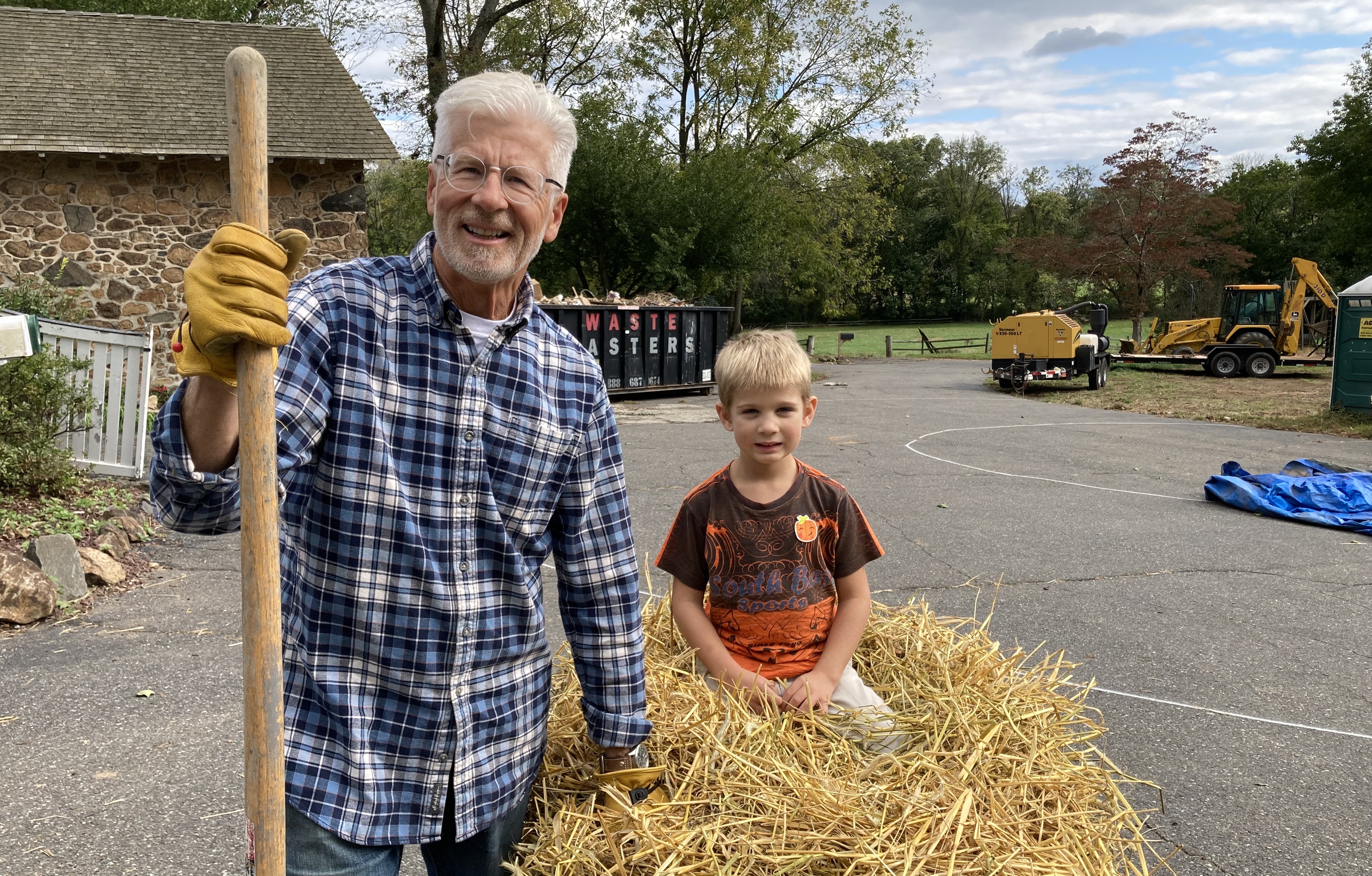
Like John Denver, life on the farm “is kinda laid back” and that could be frustrating if finished product is the goal. The younger children, ages five and seven, come bright eyed, eager to learn and to help. But, their “help” sometimes prolongs the task and I cringe when dueling pitchforks threaten to knock out a tooth while getting new straw for the chickens.

I’ve learned though, that the most important thing is not the finish. As my son reassured me, working with the kids is not about efficiency, it’s about process. And we’re in the process of growing up, growing together, learning and living in an intergenerational context. 

And tomorrow I get to hook up the brush hog and cut the pasture. With the tractor.